Cottagecore Floral Embroidery Pattern Review
As an embroidery designer who spends countless hours digitizing and stitching for clients, I am always on the lookout for design assets that bridge the gap between aesthetic appeal and technical feasibility. Recently, I came across the Cottagecore Floral Embroidery Pattern on Creative Fabrica. While browsing through the vast library of Patterns and Graphics, this specific collection caught my eye due to its rising popularity in the handmade community. However, before committing to a large batch of custom orders, I needed to evaluate whether these digital assets could truly translate into high-quality, durable stitched products.
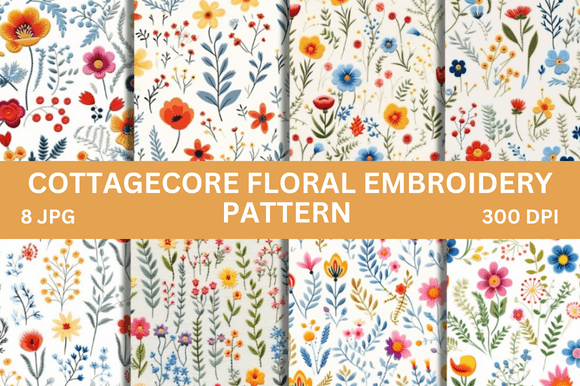
It is important to clarify upfront that this product is listed under Graphics and includes 8 JPG files intended for creative projects like scrapbooking, decoration, cards, and backgrounds. For an embroidery professional, this distinction is critical. These are not ready-to-stitch machine embroidery files (such as PES or DST formats). Instead, they serve as high-resolution visual references or printable mockups. In this review, I will discuss how I utilized these graphic assets to plan real-world embroidery projects, ensuring the final handmade product meets the expectations of discerning customers.
First Impressions: Visual Mood and Aesthetic Appeal
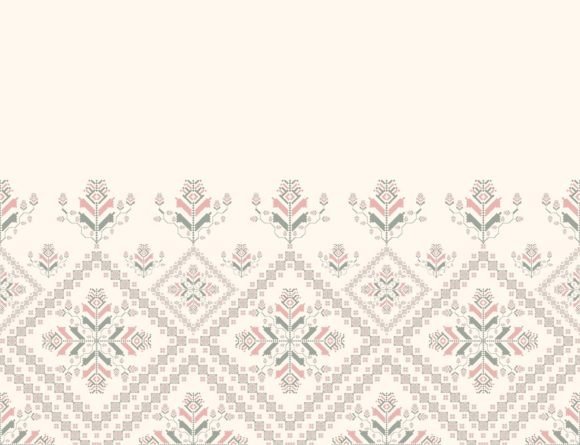
The immediate standout feature of the Cottagecore Floral Embroidery Pattern is its cohesive visual mood. The designs embody the soft, nostalgic, and nature-inspired elements that define the cottagecore trend. The floral arrangements are delicate yet distinct, featuring wildflowers, herbs, and vintage botanical motifs. For a designer, this level of detail in the source image is invaluable. It allows me to visualize how a satin stitch might outline a petal or how a fill stitch could provide texture to a leaf.
The decorative appeal of these graphics is undeniable. They are perfect for creating a sense of warmth and authenticity, which is exactly what buyers look for in personalized gifts. When I reviewed the 8 JPGs included in the pack, I noticed a consistent style that would help maintain brand consistency across a product line. Whether used for a tote bag design or a nursery decor piece, the aesthetic remains uniform, which is crucial for boutique merchandise and Etsy sellers aiming for a recognizable shop identity.
Translating Graphics into Machine Embroidery Projects
Since these are graphic files and not a direct digital embroidery file, the workflow requires an extra step: digitizing or using them as a guide for applique. I found these images particularly useful for planning applique design projects. By printing the JPGs at scale, I could trace the shapes onto fusible webbing, creating precise templates for fabric cutouts. This method works exceptionally well for larger items like pillow covers and aprons, where solid blocks of color can reduce stitch count and production time.
For those interested in custom apparel, such as sweatshirt embroidery or cap designs, these patterns offer excellent inspiration for layout. The organic shapes fit naturally on curved surfaces, provided the design is scaled correctly. I used the graphics to create printable mockup presentations for client approvals. Showing a customer a realistic preview of how the floral pattern would look on a dark linen tote or a light cotton baby blanket helps build buyer trust and reduces the likelihood of revisions later in the process.
Practical Considerations for Real-World Stitching
When moving from a static image to a physical finished product, several technical factors come into play. Here is how I approached the practical use of these designs:
- Fabric Selection: The intricate details in the Cottagecore Floral Embroidery Pattern require stable fabrics. I tested the traced designs on medium-weight cotton and linen. Stretchy fabrics, like jersey for t-shirts, required heavy-duty cut-away stabilizer to prevent distortion.
- Stitch Density and Texture: Because I was using the graphics as a reference for manual digitizing or applique, I had control over the stitch density. For smaller items like embroidered patches or caps, I reduced the density to prevent puckering. On textured fabrics like towels, I opted for simpler running stitches or bold satin borders to ensure visibility.
- Color Contrast: The JPGs allowed me to experiment with thread colors digitally before stitching. I found that muted, earthy tones worked best for the cottagecore vibe, but high-contrast thread colors were necessary when stitching on dark fabrics to ensure the design popped.
- Hoop Size Constraints: Some of the larger floral arrangements in the pack would require a 5x7 or 6x10 hoop. For smaller hoop sizes, I isolated individual elements from the composition, turning a large bouquet into a small, delicate sprig suitable for a pocket or cuff.
Enhancing Product Value and Customer Engagement
In the competitive world of online selling, presentation is everything. The Cottagecore Floral Embroidery Pattern graphics significantly enhanced my product photography. By using the high-resolution JPGs as backgrounds in my digital listings, I created a cohesive visual narrative that complemented the physical embroidered items. This attention to detail elevates the perceived value of the personalized gift, making it feel more luxurious and thoughtful.
Furthermore, these assets are ideal for creating marketing materials. I used the floral graphics to design thank-you cards and packaging inserts, reinforcing the brand experience. For creative entrepreneurs, having access to such versatile design assets means you can extend your product line beyond just stitched goods. You can offer coordinated stationery, party decorations, or digital prints, maximizing the return on your initial investment.
Important Notes for Commercial Use
Before integrating these patterns into your commercial embroidery workflow, it is essential to review the licensing terms on the Creative Fabrica product page. Since this product consists of JPG graphics rather than vector or embroidery-specific files, ensure that your intended use—whether for physical goods or digital print-on-demand services—is covered. Always check the product details for any restrictions on redistribution or mass production.
Additionally, because these are not pre-digitized files, you must account for the time required to convert the visual concept into stitches. If you are not digitizing yourself, factor in the cost of hiring a digitizer. Test your final designs on scrap fabric first. Check for thread breaks, tension issues, and overall aesthetic balance. Inspect small details after stitching to ensure that fine lines do not get lost in the fabric texture.
Final Verdict: Is It Worth It?
The Cottagecore Floral Embroidery Pattern is a valuable resource for embroidery designers who need high-quality visual references. While it does not provide instant machine embroidery design files, it offers something equally important: inspiration and professional-grade artwork for planning and marketing. For Etsy sellers, small business owners, and crafters, this pack provides the visual foundation needed to create stunning, cohesive collections.
If you are looking for quick, one-click stitching solutions, this may not be the right product. However, if you want to create unique, hand-digitized, or applique-based pieces that stand out in the marketplace, these graphics are an excellent tool. They allow for greater creative control, ensuring that your sweatshirt embroidery, tote bag design, or home decor items are truly one-of-a-kind. By combining these beautiful visuals with skilled stitching techniques, you can produce high-quality handmade products that resonate with the current demand for authentic, nature-inspired craftsmanship.