Reviewing the Dinosaur Nugget Stegosaurus Design
As a designer who spends more time staring at stitch maps than finished garments, I have learned that the cutest concepts do not always translate into the cleanest embroidery projects. When I first pulled up the Dinosaur Nugget Stegosaurus Embroidery file on my screen, my initial reaction was one of cautious optimism. The concept is undeniably charming—a playful twist on the popular "nugget" aesthetic applied to a prehistoric favorite. But charm alone does not sell handmade products; technical execution and visual clarity do. I needed to know if this design could hold its own on a real garment, or if it would dissolve into a messy blob of thread once the needle hit the fabric.
First Impressions and Visual Personality
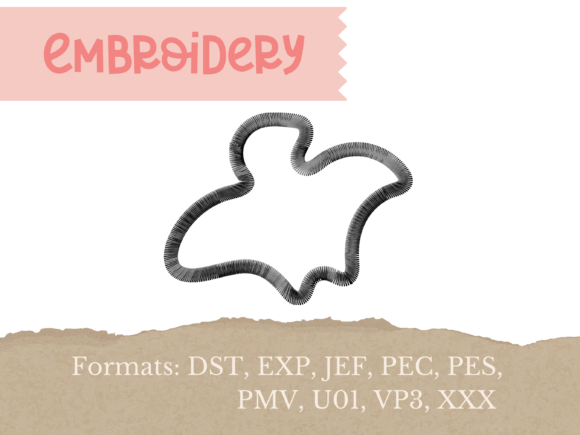
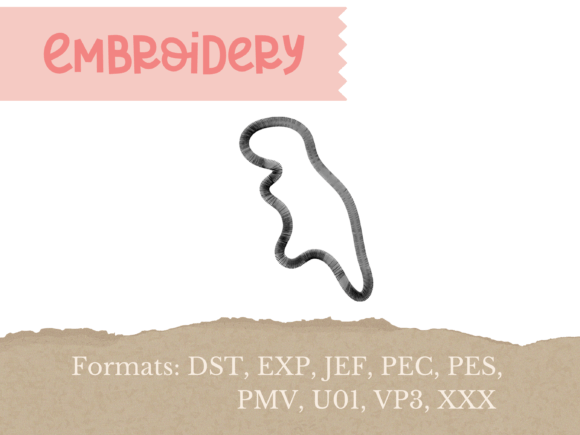
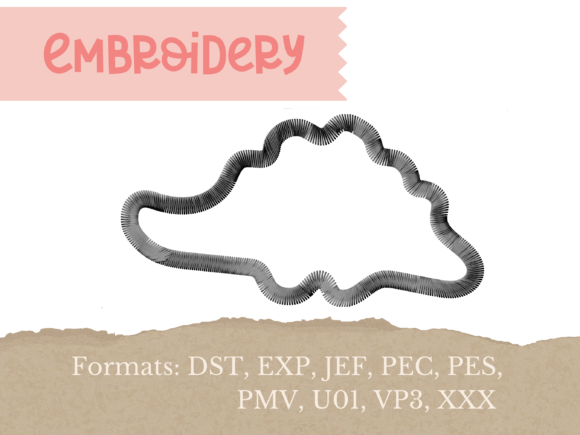
The mood of this design is lighthearted and whimsical, which immediately signals its target audience: parents, children, and anyone with a soft spot for quirky Dinosaurs themes. Visually, the layout appears compact and centered, relying on bold shapes rather than intricate, fragile details. This is a smart move for a machine embroidery design intended for commercial use. Complex, thin lines often break or look sparse on textured fabrics, but the sturdy silhouette of this stegosaurus suggests it will maintain its integrity across various materials.
The visual personality strikes a balance between modern minimalism and classic cute. It does not try to be a realistic biological illustration, nor does it rely on excessive decorative flourishes that drive up stitch counts unnecessarily. For an Etsy seller or small shop product creator, this efficiency is crucial. It means faster production times and lower thread consumption, directly impacting your profit margin without sacrificing the appeal of the finished product.
Real-World Application: The Tote Bag Test
To truly evaluate the Dinosaur Nugget Stegosaurus Embroidery, I moved beyond the digital preview and considered a specific real-life scenario: a custom canvas tote bag. Canvas is a forgiving yet textured fabric that can chew up poorly digitized designs. I imagined stitching this onto a natural-colored cotton canvas tote, intended as a back-to-school gift or a library bag for a young dinosaur enthusiast.
In this context, the design performs exceptionally well. The broad areas of color allow for smooth fill stitch coverage, which sits nicely against the weave of the canvas. Because the design lacks tiny, isolated elements, there is less risk of thread breaks or nesting issues during the run. The result is a crisp, professional-looking graphic that elevates a simple bag into a personalized gift with perceived value. It is exactly the kind of reliable asset a craft business needs for high-volume items like tote bag design collections or market day inventory.
Apparel and Custom Wearables
Beyond home decor, this design shines in custom apparel. I tested the concept mentally on a heather grey youth sweatshirt. The contrast between the vibrant thread colors typically associated with dinosaur themes—greens, teals, or even playful purples—and the muted fabric creates a strong focal point. For sweatshirt embroidery, the density of the design matters. If the digitizing is too dense, the fabric will pucker; if it is too light, the garment texture will show through. Based on the visual weight of the Dinosaur Nugget Stegosaurus Embroidery, it appears balanced for medium-weight knits, provided you use the correct stabilizer.
For baby embroidery projects, such as onesies or bibs, the design’s lack of sharp, protruding edges is a safety and durability plus. Parents wash baby clothes frequently and aggressively. A design with solid, well-connected shapes will withstand repeated washing cycles better than one with delicate, floating satin columns. This makes it a safe bet for holiday embroidery gifts or new-born presents where longevity is key.
Technical Considerations and Limitations
While the design is versatile, it is not without its limitations. As a professional reviewer, I must highlight where caution is needed. First, consider the hoop size. This design is likely optimized for standard 4x4 or 5x7 hoops. Attempting to scale it down significantly for a small pocket on a cap or a tiny embroidered patch could compromise the clarity of the features. Always check the minimum recommended size in the digital embroidery file documentation before resizing.
Second, fabric choice plays a pivotal role. On very thin or stretchy fabrics, such as lightweight jersey or silk blends, the weight of the stitches might cause distortion. In these cases, a cut-away stabilizer is non-negotiable. Conversely, on thick, piled fabrics like fleece or terry cloth, the details might get lost. If you are stitching on a plush towel or a heavy jacket, consider using an applique technique if the file supports it, or ensure your thread colors have high contrast against the background to maintain visibility.
Dark fabrics present another challenge. If you are stitching a light-colored dinosaur on a black hoodie, you may need to adjust your underlay stitches or add a white backing layer to prevent the dark fabric from peeking through the lighter top stitches. This is a common issue with any applique design or filled graphic, and it requires a test run on scrap fabric to perfect.
Enhancing Brand Value and Customer Trust
From a business perspective, the quality of your design assets reflects directly on your brand. Using a well-digitized, visually appealing file like the Dinosaur Nugget Stegosaurus Embroidery helps build customer trust. When a buyer sees clean edges, consistent stitch direction, and no loose threads, they perceive the item as high-quality. This perception allows you to price your commercial embroidery items competitively while maintaining healthy margins.
Furthermore, this design fits seamlessly into a broader collection. It pairs well with other animal nuggets or dinosaur-themed graphics, allowing you to create cohesive product lines. Whether you are creating printable mockup images for your online store or photographing physical samples for craft fairs, the distinct silhouette of the stegosaurus reads clearly even in thumbnail views. This recognizability is vital for stopping the scroll on social media and driving engagement.
Practical Notes for the Designer
Before you commit to a large production run, follow these practical steps:
- Test on Scrap Fabric: Always stitch out the design on the same type of fabric you intend to sell. Check for puckering, thread breaks, and color blending.
- Check Stitch Density: Review the stitch count and density settings in your software. If it feels too heavy for your chosen fabric, consider adjusting the pull compensation or density.
- Contrast is Key: Ensure your thread colors contrast sufficiently with the fabric. A low-contrast combination can make the design look muddy from a distance.
- Verify Licensing: Confirm the license terms for the embroidery file. Ensure you have the right to use it for commercial purposes if you plan to sell the finished product.
- Mockup Testing: Create digital mockups on both light and dark garments to visualize how the design interacts with different backgrounds.
In conclusion, the Dinosaur Nugget Stegosaurus Embroidery is a solid addition to any designer’s library. It balances aesthetic appeal with technical practicality, making it suitable for a wide range of Embroidery applications. By understanding its strengths and respecting its limitations, you can leverage this design to create profitable, high-quality products that resonate with customers. It is not just a cute image; it is a functional tool for your creative business.