Embroidery Washi Tape: A Designer’s Review
As an embroidery designer who has spent years digitizing for small clothing brands and boutique sweatshirt lines, I approach every new machine embroidery design with a critical eye. It is not just about whether the image looks cute on a screen; it is about how that design translates into thread, how it sits on heavy cotton fleece, and whether it adds genuine value to a finished product. Recently, I evaluated a unique set of assets titled Embroidery Washi Tape. While this product is categorized under Crafts and Graphics, specifically as individual PNG stickers and a Goodnotes file, my focus was on interpreting these visual elements for a real-world apparel application. Could these digital graphics inspire a premium sweatshirt collection? Let us dive into the design evaluation.
First Impressions: Mood and Aesthetic Potential
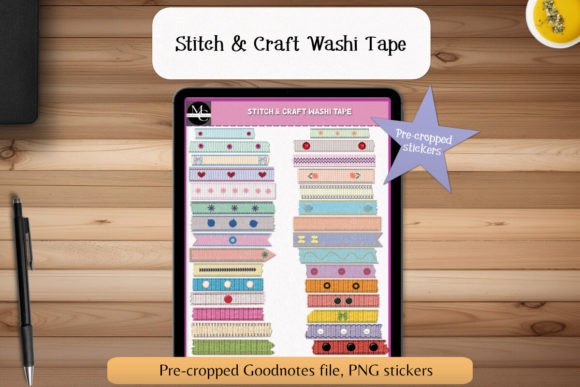
The first thing that strikes you about the Embroidery Washi Tape concept is its inherent playfulness mixed with a rustic, handmade charm. Washi tape, traditionally a stationery item, carries connotations of creativity, journaling, and soft, pastel aesthetics. When viewing the thirty precropped PNG images included in the zip file, the mood feels distinctly feminine, decorative, and minimal. For a boutique brand looking to launch a cozy seasonal apparel line, this aesthetic is gold. It suggests a design language that is not overly bold or aggressive, but rather inviting and tactile.
Although these are digital design assets in PNG format and not a direct digital embroidery file like DST or PES, they serve as exceptional references for custom digitizing. The precropped nature of the images allows a designer to isolate specific motifs—perhaps a floral strip, a geometric pattern, or a whimsical border—and adapt them into stitch files. The level of detail in these graphics suggests that when translated into thread, they would work best with a mix of satin stitches for borders and fill stitches for broader areas, maintaining that "tape-like" appearance without becoming too dense or stiff on the fabric.
Application on Sweatshirts and Hoodies
Imagine preparing a limited drop for a small online shop. You have a range of neutral sweatshirts in oatmeal, sage green, and dusty rose. This is where Embroidery Washi Tape shines. The design elements feel particularly suited for sweatshirt embroidery placed on the cuff or the hem. Imagine a delicate, tape-style border running along the bottom edge of an oversized hoodie. It mimics the look of actual washi tape applied to the garment, creating a trompe-l'oeil effect that is both trendy and sophisticated.
For chest placements, these graphics offer a cute, casual vibe. Because the images are precropped, you can select smaller, singular elements to create a minimalist pocket design. On dark fabric, such as charcoal or navy, choosing high-contrast thread colors like cream, mustard, or soft pink will make the design pop. On pastel colors, a monochromatic thread choice—such as white-on-white or light grey-on-light blue—adds a subtle, premium texture that appeals to customers seeking understated luxury. The design does not scream for attention; instead, it invites closer inspection, which is a hallmark of high-quality custom apparel.
Sleeve Accents and Back Designs
Beyond the chest, consider the sleeves. A vertical strip of "washi tape" embroidery running down the forearm of a long-sleeve tee or hoodie adds a dynamic, modern touch. This placement is increasingly popular among Etsy sellers and handmade product creators because it maximizes visibility when the wearer moves. For back designs, you could arrange multiple PNG-inspired motifs in a collage style, mimicking a scrapbook page. This approach transforms a simple small shop product into a wearable piece of art, enhancing the perceived value and encouraging customer engagement on social media platforms.
Technical Considerations for Production
Translating these Graphics into a physical embroidery file requires careful attention to technical details. Since the source material is a set of PNGs, the digitizer must determine the appropriate stitch density. Sweatshirt fabric is thick and plush. If the stitch density is too high, the embroidery will pucker the fabric or feel like a hard plastic patch, ruining the cozy feel of the garment. Conversely, if the density is too low, the underlying fabric might show through, breaking the illusion of the solid "tape" look.
Stabilizer choice is equally critical. For a premium feel on heavy fleece, a cut-away stabilizer is often recommended to provide lasting support, especially if the design is large. However, for smaller, delicate accents inspired by the Embroidery Washi Tape images, a high-quality tear-away might suffice, provided the hoop tension is adjusted correctly. Speaking of hoop size, these designs are versatile. They can be scaled down for a 4x4 hoop for sleeve details or expanded for a 5x7 or 6x10 hoop for larger back pieces. Always test the scale on a scrap piece of your actual fabric to ensure the fabric texture complements the stitch type.
Washing durability is another concern for commercial embroidery. Washi tape visuals often imply fragility, but the embroidered version must withstand repeated washing. Using polyester thread, which has higher tensile strength and colorfastness than rayon, ensures that the vibrant colors of your "tape" designs remain intact. Remind your team to check the specific care instructions for the threads used, ensuring the finished product meets the expectations of discerning buyers.
Brand Identity and Market Value
Incorporating unique visual elements like those found in Embroidery Washi Tape can significantly boost brand identity. In a saturated market, distinctiveness is key. These designs help create a cohesive visual language for a boutique brand. When customers see a consistent style across your Etsy listings and printable mockup previews, it builds trust. It signals that you are not just selling generic blanks, but curated, thoughtfully designed items.
Moreover, using these graphics for marketing materials before production even begins is a smart strategy. You can use the PNGs to create digital mockups, testing which color combinations resonate most with your audience. This reduces waste and ensures that when you finally run the machine embroidery design on your production line, you are confident in the demand. It bridges the gap between digital planning and physical creation, a crucial workflow for modern creative entrepreneurs.
Final Verdict for Designers
While Embroidery Washi Tape is sold as a digital graphic pack with thirty precropped PNG images and a Goodnotes file, its potential for apparel design is substantial. It requires an extra step of digitization, but this allows for complete customization of thread colors and stitch density to suit specific fabrics. For designers working with neutral sweatshirts, oversized hoodies, and cozy seasonal apparel, these assets offer a fresh, playful, and decorative direction. They are ideal for creating niche, high-value items that stand out in the handmade marketplace. Just remember to verify all technical specifications, such as license terms for commercial use, before starting production. With the right execution, this design concept can elevate a simple sweatshirt into a standout piece in any small shop product lineup.