Heart with Clover Embroidery: A Designer’s Review
As an embroidery designer who has spent countless weekends behind a craft fair table, I have learned that not every pretty design translates into a best-selling craft fair product. When I first pulled up the Heart with Clover Embroidery file on my screen, my immediate reaction was one of cautious optimism. In the world of seasonal handmade goods, timing and visual clarity are everything. This design promises to be a beautiful addition to any St. Patrick’s Day collection, but does it hold up under the scrutiny of a busy market aisle? Let’s break down this machine embroidery design from the perspective of someone who needs to move inventory, not just create art.
First Impressions and Visual Appeal
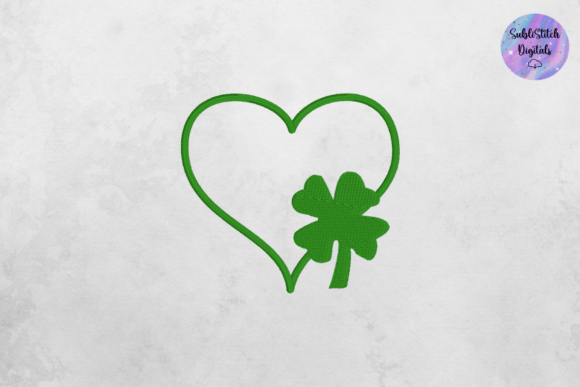
The concept behind Heart with Clover Embroidery is straightforward yet effective. It merges the universal symbol of love with the iconic shamrock, creating a motif that feels both festive and timeless. Visually, the design leans towards a cute, slightly rustic aesthetic. It is not overly ornate, which is a significant advantage for quick-read items at a market. Customers walking past a booth have mere seconds to decide if they will stop. A design that is too complex or dense can look muddy from a distance. This pattern, however, offers clear lines and recognizable shapes.
The combination of the heart and clover suggests a soft, approachable vibe. It fits perfectly within the "farmhouse chic" or "modern minimal" trends that dominate Etsy and boutique markets. For an Etsy seller, this means the design is versatile enough to appeal to a broad demographic, from young adults looking for trendy accessories to older buyers seeking traditional holiday decor. The emotional connection is immediate; it signals celebration without being loud or aggressive.
Product Versatility and Market Fit
The true test of any digital embroidery file is its adaptability. The product description suggests using this pattern on caps, hats, bags, and t-shirts. In my experience, these are indeed strong contenders, but let’s look deeper at where this design truly shines as a handmade product.
- Tote Bags and Market Bags: This is arguably the strongest application. A tote bag design needs to be bold enough to be seen when slung over a shoulder. The heart and clover motif provides a nice focal point on canvas or cotton totes. It transforms a generic bag into a seasonal statement piece.
- Aprons and Kitchen Textiles: Apron embroidery is a high-margin item for craft fairs. Placing this design on the bib of a linen or cotton apron creates an instant heirloom feel. Similarly, tea towel embroidery benefits from the compact nature of the design. It serves as a charming accent that doesn’t overwhelm the fabric’s texture.
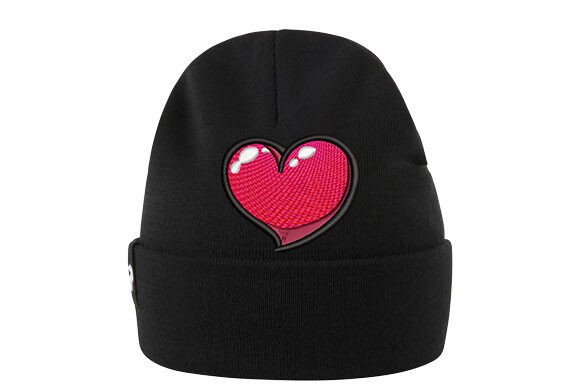
- Caps and Hats: Embroidering on curved surfaces is tricky. The design works well here because it is likely compact. However, one must be mindful of the hoop size and the curvature of the cap front. If the design is too wide, it may distort. If it is centered correctly, it makes for a popular, wearable gift.
- Patches and Pouches: Creating an embroidered patch allows for batch production. You can stitch multiple patches on a single piece of stabilizer, cut them out, and sell them as add-ons or iron-on accessories. This is excellent for maximizing machine time.
Production Practicalities and Technical Notes
While the aesthetic is appealing, the practical side of production determines your profit margin. When reviewing Heart with Clover Embroidery, I immediately consider stitch density. Dense designs take longer to stitch and use more thread, eating into profits. They also risk puckering lightweight fabrics. If this design has high density, it is best suited for heavier materials like denim, canvas, or structured tote bags. If it is lighter, it becomes viable for delicate tea towels and t-shirts.
Fabric texture plays a crucial role. On textured towels, fine details can get lost. I recommend testing the design on the exact fabric you intend to sell. Additionally, thread colors must contrast well with the fabric. For St. Patrick’s Day, green is obvious, but consider using gold or white thread on dark green fabric for a premium look. Always use the correct stabilizer; a cut-away stabilizer is often safer for items that will be washed frequently, like aprons and shirts.
One critical note: check the smallest details. Tiny elements in the clover leaves or the heart outline may not stitch out cleanly at smaller sizes. If you plan to scale the design down for small pouches, ensure the integrity of the shape remains. If the design loses clarity, it looks cheap, which hurts your brand’s perceived value.
Boosting Sales and Brand Consistency
How does this design affect your bottom line? A cohesive collection builds trust. If your booth features various items all featuring the Heart with Clover Embroidery, you create a visually striking display. This consistency helps customers recognize your brand style. It also encourages multiple purchases; a customer might buy a tote bag and then add a matching patch or tea towel because the designs coordinate perfectly.
For online listings, this design photographs well. The distinct shapes allow for clean, crisp images that pop on social media feeds. Use a printable mockup to show potential buyers how the design looks on different products before you even stitch a single thread. This saves time and helps you gauge interest. As a small shop product, it offers the exclusivity that mass-produced items lack, justifying a higher price point.
Designer’s Checklist for Success
Before you commit to full production, follow these steps to ensure quality:
- Test on Scrap Fabric: Never skip this step. Stitch the design on the same type of fabric you plan to use for the final product.
- Check Thread Contrast: Ensure the thread color stands out against the fabric background. Poor contrast makes the design invisible from a distance.
- Review Spacing and Density: Look for areas where stitches are too close together, which can cause thread breaks or fabric bunching.
- Confirm Hoop Size: Make sure the design fits comfortably within your hoop without needing excessive re-hooping, which slows down production.
- Inspect Stitch Quality: Check for loose threads or gaps in the coverage. A clean finish reflects professional craftsmanship.
- Create Real Mockups: Photograph the stitched sample on the actual product. Authentic photos convert better than digital renderings alone.
- Verify Licensing: Ensure you have the rights for commercial embroidery. Most designers allow finished product sales, but always read the terms included with your design assets.
In conclusion, Heart with Clover Embroidery is a strong contender for your seasonal lineup. It balances festive charm with practical applicability. By paying attention to technical details like stabilizer choice and fabric compatibility, you can turn this simple design into a profitable staple of your craft fair booth. Remember, the goal is not just to embroider, but to create desirable, high-quality items that customers are eager to take home. With careful execution, this design can help you stand out in the crowded marketplace of handmade goods.