Hey There Pumpkin Embroidery Design Review
As a designer who spends more time staring at stitch simulations than I care to admit, I approach every new machine embroidery design with a mix of curiosity and skepticism. We have all been there: you download a cute seasonal file, load it onto your machine, and hope for the best. Often, what looks perfect on a screen translates into a messy, puckered reality on fabric. That is why I took a close look at the Hey There Pumpkin Embroidery Design before committing it to any client work or personal inventory. This is not just about whether it is "cute"—it is about whether it holds up under the needle.
First Impressions and Visual Personality
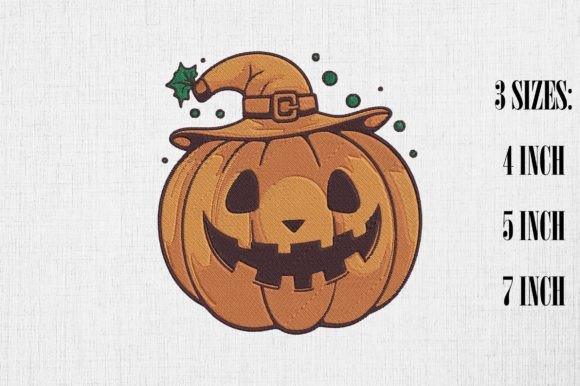
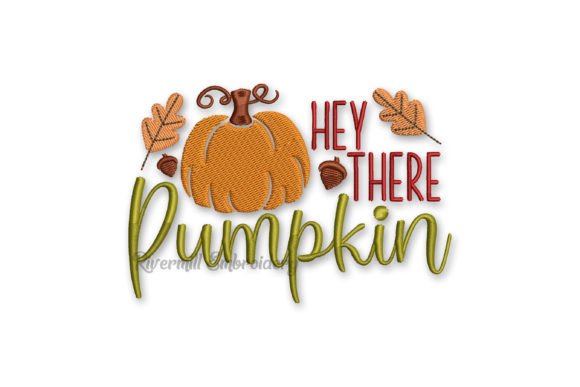
The first thing that strikes me about this design is its balanced simplicity. In the world of Autumn themed graphics, it is easy to fall into the trap of overly complex leaves, intricate vines, and cluttered compositions. This design avoids that noise. It features a clean, friendly aesthetic that feels modern yet cozy. The typography paired with the pumpkin motif suggests a welcoming mood, ideal for home decor or casual apparel.
From a layout perspective, the spacing appears thoughtful. There is enough breathing room between the elements to prevent thread buildup, which is a common issue in dense seasonal designs. The visual personality is playful but polished, making it versatile enough for a high-end boutique sweatshirt or a rustic kitchen towel. It does not scream "cheap craft fair item"; instead, it whispers "thoughtful handmade product."
Real-World Application: The Tote Bag Test
To truly evaluate an embroidery project, you have to imagine it on a specific substrate. I visualized this design on a natural canvas tote bag, a staple for any Etsy seller or craft business owner during the fall season. Canvas is forgiving, but it also reveals poor digitizing quickly. If the stitch density is too low, the fabric shows through awkwardly. If it is too high, the bag warps.
In this scenario, the Hey There Pumpkin Embroidery Design shines. The likely use of fill stitch for the pumpkin body provides solid coverage without excessive bulk. For a tote bag design, durability is key. Customers throw these bags in washing machines and stuff them with groceries. A design that relies too heavily on delicate satin stitch borders might fray over time. While I cannot confirm the exact stitch types without inspecting the file directly, the visual weight suggests a robust construction that can handle daily wear. This makes it a strong candidate for commercial embroidery projects where longevity matters.
Apparel and Custom Gifts
Beyond home decor, this design has significant potential in custom apparel. Imagine it centered on the chest of a heather grey crewneck or as a pocket accent on a flannel shirt. For sweatshirt embroidery, the texture of the fleece requires a design that does not get lost in the pile. The bold lines of the pumpkin and the clear lettering ensure readability even from a distance.
It also works beautifully for personalized gift items. A baby onesie with this motif becomes an instant heirloom piece for baby embroidery collections. However, when scaling down for infant clothing, one must be cautious. Tiny details can merge if the hoop size is too small or if the stabilizer is insufficient. I would recommend testing the design at various sizes to ensure the smaller elements remain distinct.
Technical Considerations for Stitching Success
No design is universal, and practical judgment is required before hitting "start." Here are the critical factors I consider when prepping this file for production:
- Fabric Texture and Type: This design likely performs best on medium-weight woven fabrics like cotton, linen, or canvas. On stretchy knits, proper stabilization is non-negotiable to prevent distortion. On textured fabrics like terry cloth towels, the fine details might get lost, so a larger hoop size or simplified version might be necessary.
- Thread Color Contrast: The success of this design hinges on contrast. Using orange thread on a brown background will result in a muddy, unreadable mess. I always test my thread colors against the fabric swatch first. High contrast, such as cream thread on navy or burnt orange on white, maximizes visual impact.
- Stabilizer Selection: For a design of this nature, a cut-away stabilizer is often safer for garments that will be washed frequently, while tear-away might suffice for decorative pillows. Always match the stabilizer to the fabric weight.
- Hoop Size Constraints: Ensure your machine’s hoop can accommodate the full width of the design. Cramping a design into a smaller hoop than intended can alter the stitch angles and cause thread breaks.
Where to Use Caution
While versatile, this design is not without its limitations. I would hesitate to use it on curved surfaces like baseball caps unless the digitizing specifically accounts for the curvature. Standard flat designs often distort on caps, causing the text to arch incorrectly or the pumpkin to look squashed. Additionally, avoid using this on very thin, silky fabrics unless you are an experienced embroiderer with specialized techniques. The stitch density required for solid coverage could pucker delicate materials.
Also, be mindful of dark fabrics. If the design includes light-colored elements, you may need an underlay or a backing patch to prevent the dark fabric from showing through the stitches. This is particularly important for maintaining a professional finish in small shop product lines.
Commercial Value and Brand Consistency
For digital product sellers and handmade shop owners, the aesthetic consistency of your catalog is vital. The Hey There Pumpkin Embroidery Design fits seamlessly into a broader autumn collection. It pairs well with other seasonal motifs like leaves, acorns, or harvest themes. Using a cohesive set of designs helps build brand recognition. When customers see this level of clean, professional execution, it builds trust. They perceive the finished product as higher value, which allows for better pricing power.
Moreover, this design is excellent for creating printable mockup assets. Because the shapes are clear and distinct, they photograph well for online listings. High-quality images drive engagement on platforms like Etsy, and a crisp embroidery design translates beautifully into digital previews.
Final Designer Notes
Before you integrate this into your workflow, remember to check the specific file formats provided. The description mentions multiple formats, which is essential for compatibility with different machine brands. Always verify the license terms. If you plan to sell items made with this digital embroidery file, ensure you have commercial use rights.
My advice is simple: stitch out a test sample on scrap fabric identical to your final product. Check the back of the embroidery for loose threads or excessive buildup. Inspect the front for clarity. If it passes these checks, the Hey There Pumpkin Embroidery Design is a reliable, charming addition to your autumn repertoire. It balances whimsy with professionalism, making it a smart choice for both hobbyists and serious entrepreneurs looking to elevate their seasonal offerings.