Natural Flower Embroidery Design: A Practical Review
As a designer who has spent countless hours digitizing and stitching out patterns, I approach every new machine embroidery design with a mix of curiosity and skepticism. We have all been there: you download a beautiful preview, load it onto your machine, and hope the reality matches the digital promise. Recently, I spent some time evaluating the Natural Flower Embroidery Design, a piece from the Single Flowers category that aims to capture organic beauty through thread. Here is my honest assessment of how this design performs in real-world scenarios, from initial impression to the final finished product.
First Impressions and Visual Mood
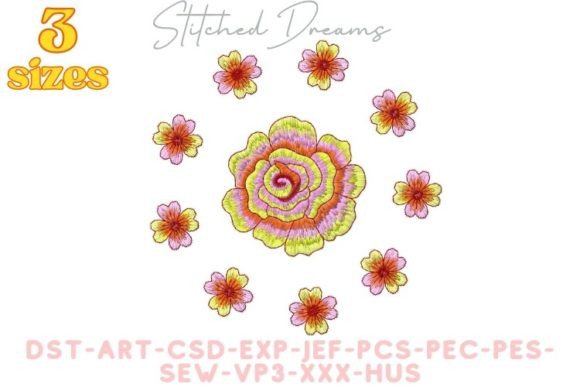
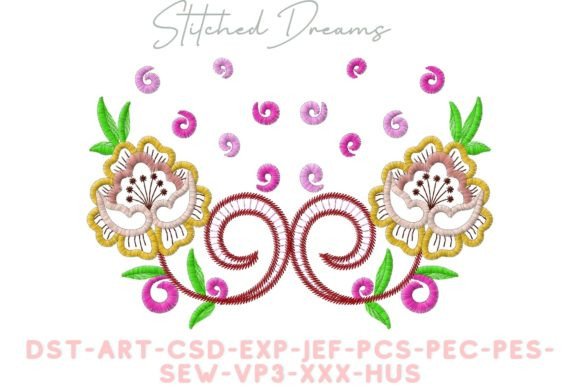
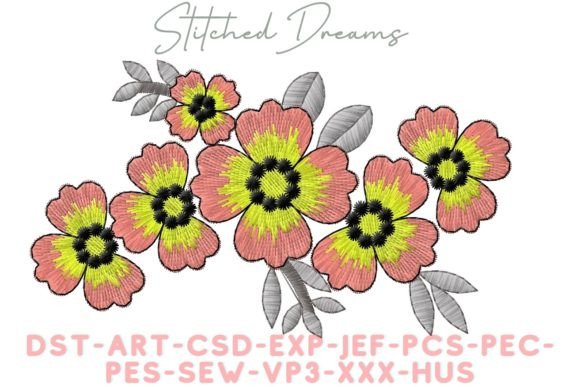
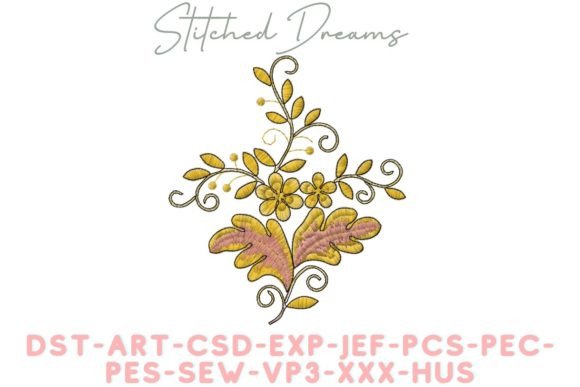
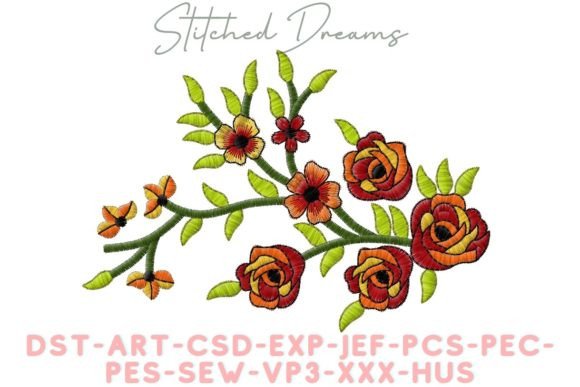
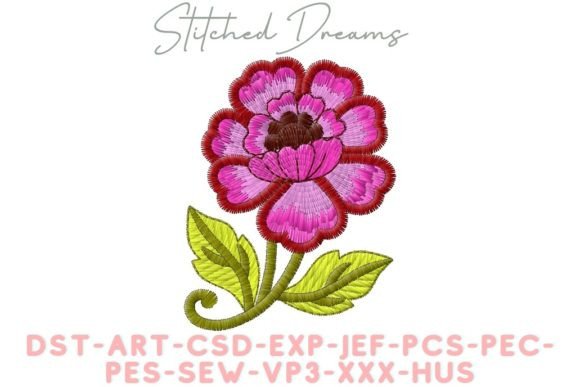
The first thing that strikes you about this embroidery file is its commitment to naturalism. Unlike stylized or cartoonish florals, this design leans into realism. The layout features a central bloom accompanied by gracefully cascading leaves, creating a sense of movement rather than static symmetry. For a designer, this flow is crucial. It means the design can be placed off-center on a garment or angled along a seam without looking awkward.
The detail level is high. Each petal and leaf appears meticulously stitched, preserving intricate details that give the flower depth. However, high detail brings responsibility. When I look at a design like this, I am immediately thinking about stitch density and how those fine lines will translate to different fabric textures. The visual personality is elegant and understated, making it versatile for both modern minimalist aesthetics and traditional cottage-core styles.
Real-World Application: The Tote Bag Test
To truly understand the value of an embroidery project, you have to imagine it on a physical item. I envisioned using the Natural Flower Embroidery Design for a custom canvas tote bag. This is a popular item for Etsy sellers and small shop owners because it offers a large, flat surface area ideal for showcasing detailed artwork.
In this scenario, the cascading leaves work beautifully. They can follow the curve of the bag’s handle or stretch across the bottom corner. The satin stitch work on the petals would provide a lovely sheen against the matte texture of canvas. For a handmade product intended for daily use, the design needs to be durable. The interplay of fill stitch areas in the leaves and the finer detailing in the flower center suggests a balanced approach that should hold up well to washing, provided the correct stabilizer is used.
Beyond tote bags, this design shines in custom apparel. Imagine it embroidered on the chest of a neutral-toned sweatshirt. The organic shape breaks up the boxiness of the garment, adding a touch of sophistication. For baby embroidery projects, such as a muslin swaddle or a onesie, the gentle curves are appealing, though one must be cautious about the stitch density on delicate fabrics.
Technical Considerations for Stitchers
While the aesthetic is strong, practical execution requires attention to detail. Here are the key technical aspects I noted while reviewing the Natural Flower Embroidery Design:
- Fabric Selection: This design relies on clarity. It will look best on medium-weight woven fabrics like cotton, linen, or denim. On highly textured fabrics like terry cloth or thick fleece, the finer details of the petals might get lost. Always test on scrap fabric first.
- Stitch Density: Intricate designs often carry higher stitch counts. Check the density before stitching on stretchy knits. If the density is too high, it can cause puckering. Using a cut-away stabilizer is likely necessary for garments that will be washed frequently.
- Hoop Size: Ensure your hoop size accommodates the full spread of the cascading leaves. If you are working with a smaller hoop, you may need to split the design or choose a scaled-down version if available. Never assume compatibility; check the specific dimensions provided with the digital embroidery file.
- Thread Colors: The design’s impact relies heavily on contrast. While the default colorway might be realistic greens and pinks, do not be afraid to experiment. A monochromatic look using varying shades of blue can create a stunning, artistic effect for a personalized gift.
Where to Use Caution
No design is perfect for every application. There are specific situations where the Natural Flower Embroidery Design might struggle. For instance, curved surfaces like caps require careful hooping and potentially a different digitizing approach to prevent distortion. The cascading leaves, if too long, might wrap awkwardly around the curve of a baseball cap.
Additionally, be mindful of dark fabrics. If the design uses light thread colors, ensure there is enough underlay or consider using a lighter top thread to maintain visibility. Tiny details can also become problematic if the design is scaled down significantly for an embroidered patch or a small pocket accent. Always inspect the small details at 100% zoom in your software before sending it to the machine.
Commercial Value and Branding
For craft business owners and commercial embroidery professionals, the choice of design directly impacts perceived value. A high-quality, naturalistic floral design like this elevates a simple item into a boutique-quality piece. It signals professionalism and attention to detail to the customer.
When creating printable mockup images for your online store, this design photographs well. The texture of the stitches adds depth to product photos, which can increase buyer engagement. Whether you are selling holiday embroidery items for spring gifts or year-round small shop product lines, consistency in design quality builds brand trust. This design asset fits seamlessly into a brand identity focused on nature, elegance, and handmade care.
Final Verdict and Designer Notes
The Natural Flower Embroidery Design is a strong contender for designers looking to add organic elegance to their portfolio. It is not just a pretty picture; it is a functional tool for creating memorable finished products. However, success depends on preparation.
- Test Before You Sell: Always stitch out a sample on the exact fabric you plan to use for production. This helps you identify any tension issues or puckering before committing to client orders.
- Check Licensing: Before using this design for commercial purposes, confirm the license terms. Most digital designers allow the sale of finished physical items but restrict the resale of the embroidery file itself.
- Mockup Variety: Create mockups on both light and dark backgrounds to show versatility to potential customers. This helps them visualize the design on their own preferred items.
In conclusion, this design captures the exquisite beauty of nature with technical precision. For the hobbyist, it offers a rewarding stitching experience. For the entrepreneur, it provides a versatile asset that can enhance a wide range of products, from tote bag designs to sweatshirt embroidery. With proper testing and attention to fabric choice, the Natural Flower Embroidery Design is a valuable addition to any digital library.