Review: Bad Witch Hat Broom Halloween Embroidery
As an embroidery designer who spends more time at the hoop than away from it, I approach every new machine embroidery design with a mix of excitement and scrutiny. We all know that not every digital file translates beautifully into thread. Some designs look fantastic on screen but turn into a tangled mess of bobbin thread and frustration on fabric. Recently, I downloaded the Bad Witch Hat Broom Halloween Embroidery file to test its viability for my personalized gift shop. My goal was simple: determine if this design holds up under the rigorous standards of custom orders, particularly for clients seeking unique, seasonal handmade products.
First Impressions: Charm Meets Seasonal Whimsy
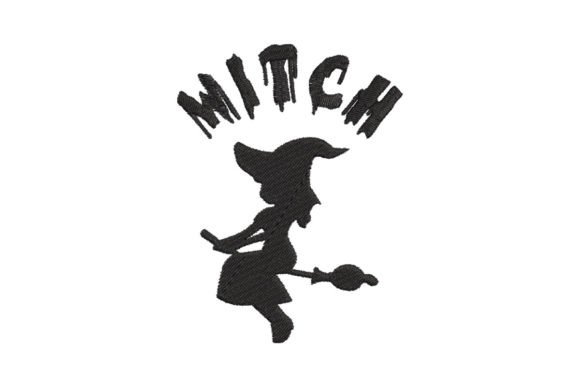
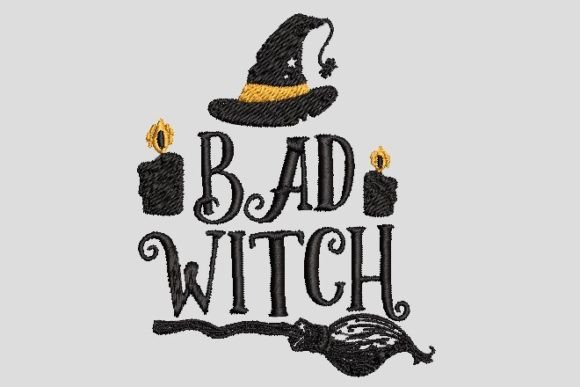
Upon loading the embroidery file into my software, the first thing that struck me was the playful yet classic aesthetic. This is not a scary or grotesque interpretation of Halloween; rather, it leans into the whimsical side of the holiday. The silhouette of the witch’s hat paired with the broom creates an instantly recognizable motif that feels both nostalgic and modern. For a designer, this balance is crucial. It appeals to a broad demographic, from young parents looking for cute nursery decor to adults who enjoy subtle, charming seasonal accents in their home.
The detail level appears well-managed. In my initial simulation, the stitch paths looked logical, minimizing unnecessary jumps which can often lead to thread breaks or loose tails on the back of the work. The mood is undeniably sweet and inviting, making it an excellent candidate for a personalized gift that doesn’t scream "spooky" but rather whispers "autumn celebration."
Versatility Across Product Lines
One of the strongest assets of the Bad Witch Hat Broom Halloween Embroidery is its adaptability. In my shop, I constantly evaluate how a single design can be leveraged across multiple product categories to maximize return on investment. Here is how I envision this design performing in real-world applications:
- Home Decor: This design shines on an embroidered towel for the kitchen during October. Imagine a flour sack towel with this motif stitched in contrasting orange and black threads. It also works beautifully on a pillow cover, adding a festive touch to living room sofas without being overly thematic.
- Apparel and Accessories: For the fashion-forward crafter, this motif is perfect for tote bags. A canvas tote with this embroidery makes for a sturdy, reusable shopping bag that customers love. It also translates well to aprons, creating a fun cooking companion for Halloween parties.
- Nursery and Baby Items: While Halloween is often associated with older kids, the cute nature of this design allows for gentle integration into baby embroidery projects. Think of a soft blanket with this design stitched in muted, pastel tones rather than traditional stark blacks. It becomes a keepsake rather than a costume piece.
- Etsy and Small Shop Listings: For the Etsy seller, this design offers a quick turnaround product. Because the motif is compact, it stitches out relatively fast, allowing for higher volume production during the busy autumn season.
Technical Considerations for a Flawless Finish
While the design is charming, technical execution is where many small business owners stumble. Before committing to customer orders, I ran several tests to identify potential pitfalls. Here are the critical factors you must consider when working with this digital embroidery file.
Fabric Texture and Stabilizer Choice
The success of any embroidery project relies heavily on the interaction between the thread, the fabric, and the stabilizer. For this design, I tested it on a standard cotton twill and a textured linen. On the smooth twill, the details popped clearly. However, on the textured linen, some of the finer lines of the broom bristles got slightly lost in the weave. If you are using fabrics with a heavy fabric texture, I recommend increasing the density slightly if your software allows, or choosing a smoother fabric like poplin or high-quality cotton for crisp results.
Always use the appropriate stabilizer. For stretchy fabrics like baby clothes or t-shirts, a cut-away stabilizer is non-negotiable to prevent puckering. For woven home decor items like pillowcases, a tear-away may suffice, but always test first.
Thread Colors and Contrast
Color selection can make or break the visual impact. The default colorway in the preview might suggest traditional black and orange, but do not be afraid to experiment. I found that using deep purple and gold thread created a luxurious, magical feel that elevated the perceived value of the finished product. Conversely, using white thread on a dark navy background gave it a ghostly, elegant vibe suitable for more subdued decor. Always check thread colors against your specific fabric swatches before stitching the final piece.
Hoop Size and Placement
Before purchasing or downloading, verify the available hoop size options. This design likely comes in multiple sizes to fit different hoops. Ensure you select the size that best fits your intended product. For a small baby onesie, a 4x4 inch hoop might be ideal, whereas a large tote bag could accommodate a 5x7 or larger version. Misjudging the scale can result in a design that looks cramped or disproportionately small.
Giftability and Customer Perception
Why does this specific design matter for your bottom line? It comes down to emotional connection and perceived value. A generic store-bought decoration lacks soul. A handmade product featuring the Bad Witch Hat Broom Halloween Embroidery tells a story. It shows effort, care, and attention to detail.
When customers see a well-executed embroidered item, their trust in your brand increases. They are not just buying a towel or a bag; they are buying a piece of art. This emotional resonance drives buyer engagement and encourages social sharing. A beautiful printable mockup or high-quality photo of the stitched design can significantly boost click-through rates on your online store. Customers are drawn to the tactile quality of embroidery, which stands out in a digital marketplace flooded with printed goods.
Practical Steps Before You Sell
If you are planning to use this design for commercial embroidery purposes, follow this checklist to ensure professional results:
- Test on Scrap Fabric: Never stitch directly on your final product without a test run. Use the same type of fabric and stabilizer you intend to use for the order.
- Check Stitch Density: Review the stitch count and density in your editor. If it seems too dense for lightweight fabrics, adjust accordingly to prevent fabric distortion.
- Inspect Small Details: After stitching, examine the fine lines of the broom and hat. Are they clean? Are there any bird's nests or loose threads? Quality control is essential for maintaining a premium brand image.
- Verify Licensing: Always confirm the license terms provided with the digital embroidery file. Ensure you have the right to sell finished products made with this design, especially if you are running a small shop or selling on platforms like Etsy.
- Compare Light and Dark Mockups: Create photos of the design on both light and dark fabrics. This helps customers visualize the versatility and helps you market to a wider audience.
In conclusion, the Bad Witch Hat Broom Halloween Embroidery is a strong contender for your autumn collection. It balances whimsy with elegance, offering versatility across various product types from baby blankets to kitchen textiles. By paying close attention to technical details like stabilizer choice, thread contrast, and fabric texture, you can transform this digital file into a high-value custom embroidery product that delights customers and enhances your brand reputation. Happy stitching!