Review: Boo Ghost Cat Halloween Embroidery Design
As a designer who spends more time staring at stitch maps than finished garments, I have learned that the difference between a charming handmade item and a professional product often lies in the digital file itself. When I first loaded the Boo Ghost Cat Halloween Embroidery design into my software, I was looking for more than just a cute motif. I wanted to see how it would hold up under the needle, how it would translate to different textiles, and whether it had the versatility required for a serious craft business. After running several test stitches and evaluating its potential for real-world applications, here is my practical assessment of this design for makers, Etsy sellers, and apparel decorators.
First Impressions: Mood and Visual Personality
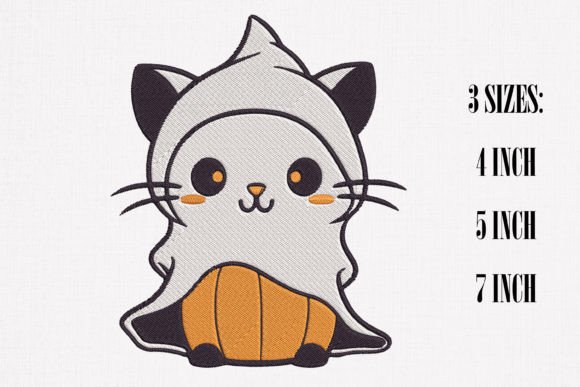
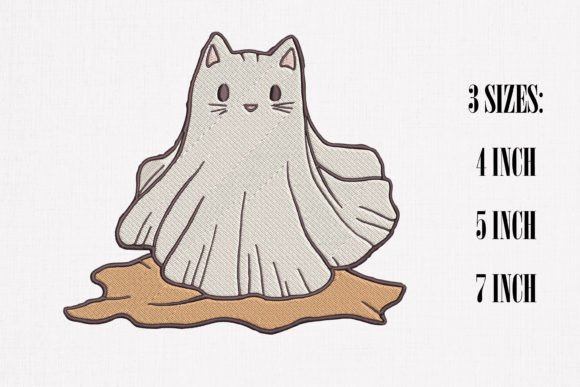
The immediate appeal of the Boo Ghost Cat Halloween Embroidery is its balance between whimsical and spooky. It captures that specific niche of holiday decor that appeals to families and young adults alike—playful rather than frightening. The layout features a ghostly feline figure that suggests movement, which is crucial for keeping the eye engaged. In terms of visual personality, it feels approachable. This is not a design that screams "horror"; it whispers "festive fun."
From a technical standpoint, the silhouette is clean. For embroidery designers, clean lines are essential because they reduce the risk of thread breaks and misalignment during high-speed stitching. The shape appears optimized for standard hoop sizes, making it a viable candidate for everything from baby onesies to larger home decor items. The level of detail seems calibrated to remain legible even when scaled down, a critical factor for small-format projects like pocket patches or hat fronts.
Real-World Application: From Tote Bags to Baby Gear
To truly evaluate a machine embroidery design, you must imagine it on actual products. I visualized this cat design on a canvas tote bag, a popular item for fall markets. The contrast of white or pastel threads against natural cotton canvas would create a striking, rustic look. Here, the design acts as a focal point, drawing attention without overwhelming the fabric's texture.
Consider also the potential for custom apparel. Placing this motif on the left chest of a charcoal grey sweatshirt creates a subtle, boutique-style aesthetic. It transforms a basic garment into a seasonal staple. For those targeting the parenting market, this design is ideal for baby embroidery projects. Imagine it centered on a soft cotton onesie or a burp cloth. The playful theme resonates with parents looking for festive yet gentle holiday attire for their infants. However, when working with stretchy fabrics like jersey knits, the stability of the design becomes paramount. You must ensure the digitizing accounts for fabric pull to prevent distortion of the cat’s shape.
For home decor enthusiasts, this design translates well to kitchen towels or pillow covers. A set of embroidered tea towels featuring this ghost cat could be a bestseller for an Etsy seller during the autumn season. The key is consistency; using the same thread colors across a product line helps build brand recognition and perceived value.
Technical Considerations and Fabric Compatibility
While the design is versatile, it is not universal. Experienced embroiderers know that certain fabrics demand specific precautions. If you plan to use this on textured fabrics like terry cloth or waffle weave, you must consider how the stitches interact with the pile. A dense fill stitch area might sink into the texture, losing definition. In such cases, using a topping stabilizer is non-negotiable to keep the stitches sitting on top of the fabric.
Dark fabrics present another challenge. If you are stitching a light-colored ghost on black fleece, you need to ensure there is adequate underlay to prevent the dark fabric from showing through the lighter top threads. This is where checking the stitch density in your software is vital. If the design relies heavily on satin stitch borders, ensure they are wide enough to cover the background but not so wide that they become prone to snagging.
Curved surfaces, such as caps or beanies, require careful placement. The Boo Ghost Cat Halloween Embroidery should be positioned where the fabric is flattest to avoid puckering. For caps, a smaller version of the design might be necessary to fit within the limited hoop space while maintaining proportion. Always test on scrap fabric first. This simple step saves hours of frustration and prevents wasted materials.
Enhancing Product Value and Customer Trust
In the world of handmade goods, presentation is everything. A well-executed embroidery project signals quality and care. When customers see crisp edges and consistent tension in the finished product, their trust in your brand increases. This design, with its clear outlines and recognizable theme, contributes to that perception of professionalism.
For small shop products, this design can serve as a signature element. Using it consistently across various items—aprons, tote bags, and shirts—creates a cohesive collection. This consistency aids in marketing, allowing you to create compelling printable mockups and social media content that looks unified. Buyers are more likely to engage with a brand that presents a clear visual identity.
Moreover, the giftability of this item is high. Holiday embroidery often serves as a personalized gift. Adding a name or date below the ghost cat can increase the perceived value significantly. However, if you add text, ensure the font choice complements the playful nature of the cat. A whimsical script or a clean sans-serif usually works best, avoiding overly ornate fonts that may clutter the design.
Practical Designer Notes for Best Results
Before you commit to production runs or list this as a digital embroidery file for sale, consider these practical steps:
- Check Licensing: Confirm whether the license allows for commercial use. If you are selling finished items, ensure you are compliant with the designer's terms. If you are selling the file itself, verify redistribution rights.
- Test Stitch Density: Run a test on similar fabric to check for puckering. Adjust tension if necessary.
- Color Contrast: Experiment with different thread combinations. While traditional Halloween colors are orange and black, consider pastels for a softer look or metallics for a premium feel.
- Hoop Size Verification: Ensure the design fits comfortably within your available hoop sizes, leaving enough margin for clamping.
- Stabilizer Selection: Use cut-away stabilizer for stretchy fabrics and tear-away for stable woven fabrics. This choice directly impacts the longevity of the embroidery.
Ultimately, the Boo Ghost Cat Halloween Embroidery is a strong contender for your autumn catalog. It offers the flexibility needed for diverse products while maintaining a distinct, appealing aesthetic. By paying attention to fabric choice, stabilizer use, and stitch quality, you can leverage this design to create high-value items that resonate with customers. Whether you are a hobbyist making gifts or a commercial entrepreneur scaling up production, this design provides a solid foundation for creative and profitable projects.