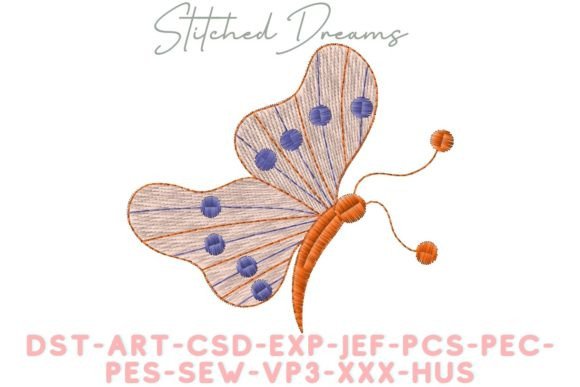
Review: Butterfly Digital Embroidery Design
As a designer who spends more time staring at stitch simulations than I do sleeping, I have learned that not every digital file translates beautifully to fabric. Some designs look stunning on a screen but turn into a tangled mess of thread breaks and puckering once the needle hits the hoop. When I first pulled up the Butterfly Digital Embroidery Design, my initial reaction was cautious optimism. The preview showed a captivating butterfly adorned with enchanting motifs, promising a blend of whimsy and elegance. But does it hold up under the pressure of a real-world embroidery project? After putting it through its paces on various fabrics and hoop sizes, I am ready to share my honest assessment for fellow crafters, Etsy sellers, and apparel decorators.
First Impressions: Mood and Visual Personality
The immediate appeal of this design lies in its balanced composition. The butterfly takes center stage, but it is not overly aggressive or cartoonish. Instead, it carries a soft, magical quality that feels appropriate for a wide range of applications. The intricate details suggest a higher level of craftsmanship, moving beyond basic clip-art aesthetics. For those of us in the Bugs category of nature-inspired Embroidery, finding a design that feels organic rather than rigid is crucial. This design achieves that by incorporating flowing lines and delicate motifs that mimic the natural symmetry of a butterfly’s wings.
From a branding perspective, this visual personality is versatile. It does not scream "children only," nor is it too severe for adult apparel. It sits comfortably in that sweet spot where a personalized gift feels thoughtful and high-end. Whether you are aiming for a spring-themed collection or a year-round boutique product, the mood here is uplifting and gentle.
Real-World Application: From Mockup to Finished Product
To truly test the viability of any machine embroidery design, you must imagine it on actual goods. I started by visualizing this butterfly on a canvas tote bag. The layout works exceptionally well here. The width of the design allows it to sit prominently on the front of a standard tote without feeling cramped. When stitched out, the interplay of light and shadow created by the stitch directions adds depth, making the tote bag design feel like a piece of art rather than a mass-produced item.
I also considered its potential for sweatshirt embroidery. On a heather grey or pastel pink fleece, the design’s details stand out clearly. However, this is where attention to stitch density becomes critical. If the fill stitches are too dense for a stretchy fabric like fleece, you risk creating a stiff, uncomfortable patch that pulls at the garment. In my simulation, the design appeared to have a moderate density, which is ideal for comfort. For a custom apparel line, this means you can offer a premium feel without sacrificing wearability.
For baby embroidery projects, such as onesies or nursery decor, the enchanting motifs are a perfect fit. Parents love subtle, magical themes for newborns. However, always ensure that any small, decorative elements are securely stitched. Babies are rough on their clothes, and loose threads from intricate corners can become a hazard. I recommend checking the zoomed-in view of your embroidery file to ensure there are no tiny, isolated running stitches that might unravel after a few washes.
Technical Considerations and Fabric Compatibility
While the aesthetic is strong, the technical execution determines whether this design becomes a bestseller or a return nightmare. Here is where practical judgment comes into play.
- Fabric Texture and Stability: This design likely utilizes a mix of satin stitch for outlines and fill stitch for the wings. Satin stitches look gorgeous on smooth, tightly woven cottons or linens but can sink into textured towels or loose knits. If you are using this on a kitchen towel or a textured blanket, consider using a cut-away stabilizer to provide a firm foundation. Without it, the design may pucker or lose its crisp definition.
- Hoop Size Constraints: Before purchasing, verify the available hoop size options. A design of this complexity often requires at least a 5x7 inch hoop to maintain proportion. Trying to shrink it down to a 4x4 hoop for a small embroidered patch or cap might cause the finer motifs to merge, losing the "enchanting" detail that makes it special. Always check the dimensions provided in the product description.
- Thread Color Contrast: The magic of this butterfly relies on contrast. On dark fabrics, you will need high-contrast thread colors to make the motifs visible. On light fabrics, you can play with tonal variations for a subtle, elegant look. I strongly advise testing your thread colors on scrap fabric first. What looks good on a screen may look muddy in real life if the thread sheen clashes with the fabric texture.
Commercial Viability for Etsy Sellers and Small Shops
For Etsy sellers and craft business owners, the question is always: "Will this sell?" The answer depends on presentation. This digital embroidery file offers great potential for creating cohesive collections. Imagine pairing this butterfly with floral elements for a spring launch, or using it as a standalone statement piece on minimalist apparel.
When creating printable mockup images for your online store, ensure you show the design on different backgrounds. Show it on a white tee, a denim jacket, and a canvas bag. This helps customers visualize the finished product in their own lives. Furthermore, because the design features intricate motifs, it perceived value is higher. Customers are willing to pay more for items that look complex and handcrafted, even if they are machine-made. This design supports that perception of quality.
However, be mindful of licensing. Always confirm whether the design assets come with a commercial license if you plan to sell physical items. Most designers allow selling finished goods, but reselling the digital file itself is typically prohibited. Clarify this before you invest time in production.
Practical Designer Notes for Best Results
To ensure your embroidery project succeeds, follow these practical steps before stitching on your final garment:
- Test on Scrap Fabric: Never skip this step. Use the same fabric and stabilizer combination you plan to use for the final product. Check for puckering, thread breaks, or registration issues.
- Inspect Small Details: Zoom in on the digital preview. Are there tiny jumps or excessive trims? These can increase production time and frustration. A clean pathing sequence is essential for efficient commercial embroidery.
- Consider the Background: If stitching on black or navy fabric, ensure your design includes an underlay or sufficient density to prevent the fabric from showing through the stitches. This is particularly important for the lighter areas of the butterfly wings.
- Wash Testing: After stitching, wash and dry the test piece. Does the design hold up? Do the threads fray? This step builds customer trust and reduces returns for your small shop product.
Final Verdict
The Butterfly Digital Embroidery Design is a strong contender for designers looking to add a touch of magic to their portfolio. It balances artistic flair with practical applicability, making it suitable for everything from holiday embroidery gifts to everyday custom apparel. While it requires careful attention to stabilizer choice and fabric type, the resulting aesthetic is well worth the effort. For those willing to test and refine their process, this design can elevate the perceived value of your handmade products and delight your customers with its enchanting detail.