Review: Cherry Fruit Embroidery Design for Real Projects
As a designer who has spent countless hours digitizing and stitching out thousands of files, I have developed a keen eye for what makes a machine embroidery design truly viable for commercial use. It is not just about how the artwork looks on a screen; it is about how those digital lines translate into thread on fabric. Recently, I evaluated the Cherry Fruit Embroidery Design to determine if it holds up under the scrutiny of real-world production. This review is written for fellow embroidery designers, Etsy sellers, and craft business owners who need practical insight before committing to a new asset.
First Impressions and Visual Personality
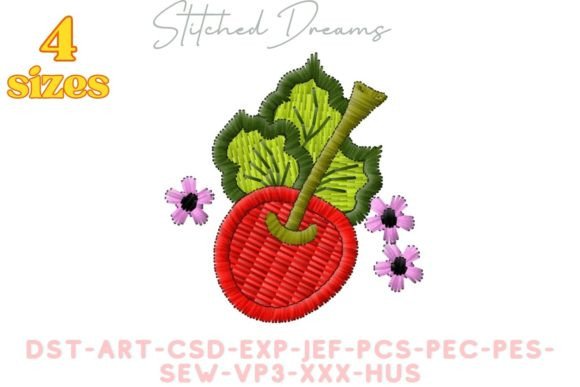
The first thing that strikes you about this digital embroidery file is its vibrant energy. The depiction of the ripe cherry is not merely symbolic; it feels organic and inviting. The rich, deep red tones suggested in the preview promise a bold visual impact, which is essential for standing out in a crowded marketplace. The inclusion of a delicate leaf adds a necessary touch of natural balance, preventing the design from feeling too heavy or one-dimensional.
In terms of mood, this design leans towards playful yet sophisticated. It does not scream "cartoonish," which is a common pitfall with fruit motifs. Instead, it offers a refined aesthetic that can bridge the gap between casual hobbyist projects and boutique-level merchandise. For a designer, this versatility is gold. It means the asset can be adapted for a wide range of clients without losing its core identity.
Real-World Application: The Tote Bag Test
To truly understand the value of an embroidery file, you must visualize it on a finished product. I imagined using this cherry motif for a custom canvas tote bag, a popular item for small shop products and farmers' market vendors. The bold red of the cherry would contrast beautifully against natural beige or white cotton canvas. In this scenario, the design acts as a focal point, drawing the eye immediately.
Beyond tote bags, consider the potential for sweatshirt embroidery. A oversized crewneck with a small, centered chest embroidery of this cherry design creates a trendy, minimalist look that appeals to younger demographics. The simplicity of the subject matter allows it to sit comfortably on textured fabrics like fleece or French terry without getting lost. For custom apparel businesses, this kind of versatile graphic is a staple because it appeals to a broad audience, from students to parents looking for cute, everyday wear.
Expanding into Niche Markets
The appeal of this design extends into the nursery and gift sectors. Imagine this stitched onto a baby onesie or a burp cloth. The baby embroidery market thrives on cute, recognizable imagery, and a bright cherry fits perfectly within that aesthetic. However, when scaling down for infant garments, one must be mindful of stitch density. A dense fill might feel stiff against sensitive skin, so checking the underlying stitch structure is crucial.
Furthermore, this design is ideal for holiday embroidery projects, particularly for summer-themed gifts or kitchen decor. An embroidered tea towel featuring this cherry could be part of a curated housewarming gift set. The key here is presentation. When used in a printable mockup for an online listing, the vibrant colors pop, increasing buyer engagement and perceived value.
Technical Considerations for Stitching Success
While the visual appeal is strong, the technical execution determines whether the finished product looks professional or amateur. Here are the critical factors I evaluate when preparing this design for the hoop.
- Stitch Density and Texture: Fruit designs often rely on fill stitch areas to create volume and color saturation. If the density is too high, the fabric may pucker, especially on lighter materials. If it is too low, the backing fabric might show through. I recommend testing the design on scrap fabric similar to your final material to gauge the tension.
- Thread Color Contrast: The success of this design hinges on the richness of the red thread. Using a high-quality rayon or polyester thread with a slight sheen will enhance the "ripe" look of the cherry. Do not skimp on thread quality; cheap thread can look dull and flatten the visual depth of the design.
- Stabilizer Selection: For stretchy fabrics like t-shirts or caps, a cut-away stabilizer is non-negotiable to prevent distortion. For woven fabrics like aprons or pillow covers, a tear-away stabilizer may suffice, but always test first. The weight of the stabilizer should match the weight of the fabric to ensure the stitch density does not overwhelm the material.
- Hoop Size and Placement: Ensure the design fits comfortably within your chosen hoop size without hitting the edges. For curved surfaces like caps, proper hooping technique is vital to avoid shifting. The delicate leaf detail requires precise alignment; if the fabric shifts even slightly, the crispness of the leaf tip may be compromised.
Navigating Fabric Challenges
Not every fabric is a friend to detailed embroidery. When working with thin or slippery fabrics, such as silk or lightweight rayon, this design requires extra care. The running stitch outlines, if present, help anchor the design, but dense areas can cause pulling. I advise using a water-soluble topping on textured fabrics like towels or fleecy sweatshirts. This prevents the stitches from sinking into the pile, ensuring the cherry remains crisp and visible.
Dark fabrics present another challenge. If the design includes light highlights or white elements, ensure they are digitized with sufficient underlay to prevent the dark fabric from showing through. Conversely, on dark fabrics, the deep red of the cherry might blend in if the lighting is poor. In such cases, adding a subtle satin stitch border in a contrasting color can help define the shape and enhance visibility.
Commercial Viability and Brand Consistency
For Etsy sellers and craft business owners, consistency is key to building brand trust. This Cherry Fruit Embroidery Design offers a cohesive look that can be integrated into a larger collection of food-themed or nature-inspired assets. Using consistent design styles across your product line helps customers recognize your brand instantly.
When listing this as a personalized gift or a ready-to-ship item, highlight the quality of the stitching in your photos. Close-up shots that show the clean edges of the leaf and the smooth gradient of the cherry build customer confidence. Remember, buyers are not just purchasing an embroidered item; they are buying the assurance of quality craftsmanship.
Licensing and Usage Rights
Before using any design assets for commercial purposes, always verify the license terms. While many digital files allow for the sale of finished physical products, restrictions may apply to mass production or digital resale. Confirm whether the license covers commercial embroidery use for your specific business model. If you are creating applique design variations or modifying the file, ensure that such modifications are permitted under the original agreement.
Final Verdict
The Cherry Fruit Embroidery Design is a strong contender for any designer’s library. Its balance of visual appeal and practical applicability makes it suitable for a wide array of projects, from embroidered patches to high-end boutique apparel. By paying attention to technical details like stabilizer choice, thread quality, and fabric compatibility, you can ensure that every stitch reflects professionalism.
For those looking to expand their small shop product offerings, this design provides a fresh, vibrant option that resonates with current trends. It is not just a pretty picture; it is a functional, versatile tool for creating memorable handmade products. As with any new file, start with a test stitch, refine your technique, and let the quality of your work speak for itself.