Reviewing Embroidery Hoop with Halloween Bat for Merch
As an embroidery designer who has spent years digitizing files and consulting with small business owners, I approach every new machine embroidery design with a critical eye. It is not enough for a graphic to look cute on a screen; it must perform under the needle. Today, I am reviewing the Embroidery Hoop with Halloween Bat, a digital asset that sits at the intersection of seasonal flair and brand utility. For boutique owners, Etsy sellers, and creative studios, this piece offers more than just holiday decoration. It represents a strategic opportunity to enhance brand identity through tactile, high-quality small business merch.
First Impressions: Visual Personality and Professional Appeal
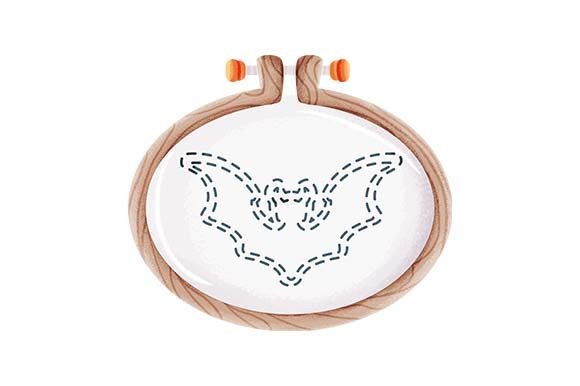
The initial visual impact of the Embroidery Hoop with Halloween Bat suggests a blend of whimsical charm and structured elegance. The inclusion of the hoop element frames the bat motif, giving it a contained, badge-like quality that is essential for professional applications. This is not merely a spooky graphic; it feels curated. For brands in the Hobbies and Crafts sector, such as handmade jewelry shops or artisanal bakeries, this aesthetic bridges the gap between playful and premium.
The design reads as friendly yet bold. It avoids the overly aggressive imagery sometimes associated with Halloween, making it safe for family-friendly businesses like pet brands, florists, or local cafés. The "hoop" aspect implies a connection to traditional crafting, which resonates deeply with customers who value the handmade product experience. When considering this for your inventory, ask yourself: does this align with my brand’s voice? If your brand is modern and minimalist, this might serve as a charming contrast. If your brand is rustic or vintage, it fits seamlessly.
Real-World Application in Commercial Embroidery
The true test of any digital embroidery file is its versatility across various substrates. I have evaluated how the Embroidery Hoop with Halloween Bat performs in several common commercial scenarios.
Patches and Apparel Accents
This design is ideally suited for an embroidered patch. The circular nature of the hoop provides a natural boundary, eliminating the need for complex merrowing edges if you choose a cut-edge satin stitch finish. Imagine applying these patches to denim jackets or canvas tote bags. For staff uniforms, particularly in hospitality or retail, this design works beautifully as a chest logo accent or a sleeve detail on work shirts. It adds personality without overwhelming the uniform’s professionalism.
Headwear and Accessories
Cap embroidery requires designs that are compact and legible from a distance. The Embroidery Hoop with Halloween Bat can be scaled down effectively for the front panel of a dad hat or a structured cap. However, one must be mindful of the curvature. The hoop element helps maintain visual integrity even when stitched on curved surfaces, ensuring the bat remains recognizable rather than distorted.
Tote Bags and Packaging
For boutiques selling goods, a branded tote bag design is a walking advertisement. Stitching this motif onto canvas totes creates a high-value item that customers are likely to reuse. Furthermore, smaller versions of this design can serve as accents on product packaging, such as embroidered tags attached to gift boxes or aprons. This attention to detail elevates the unboxing experience and reinforces customer trust.
Technical Considerations for Production
Before running a production batch, there are critical technical factors to address. As a designer, I always advise checking the specifics of the file before purchase. The product description states you will receive the design in SVG, Transparent PNG, EPS, and DXF formats. It is crucial to note that these are primarily vector and image formats, often used for cutting machines or printing. For machine embroidery, you typically need PES, DST, or JEF files. Ensure you have the correct embroidery file format for your specific machine, or use software to convert these vectors into stitch data if you are digitizing it yourself.
Stitch Density and Fabric Texture
When adapting this design for different fabrics, consider stitch density. On heavy fabrics like denim or canvas, a higher density provides a lush, premium feel. However, on lighter materials like cotton aprons or poly-blend t-shirts, too much density can cause puckering. Always use the appropriate stabilizer. A cut-away stabilizer is recommended for garments that will undergo frequent washing, while a tear-away may suffice for decorative items that see less wear.
Fabric texture also plays a role. If you are stitching on textured towels or rough linen, the fine details of the bat’s wings might get lost. In such cases, increasing the size of the design or simplifying the inner details during digitization can help maintain clarity.
Color Contrast and Thread Selection
The success of this design relies heavily on thread colors. While black thread on white fabric is classic, consider your brand palette. A deep purple or midnight blue could offer a sophisticated twist. Always test the design in black and white first to ensure the silhouette holds up without color reliance. High contrast between the bat and the background is essential for immediate recognition.
Strategic Branding and Customer Engagement
Integrating the Embroidery Hoop with Halloween Bat into your product line is a strategic move for seasonal marketing. Limited-edition merchandise creates urgency and drives sales. For Etsy sellers, offering this as a custom add-on to existing products can increase average order value. It signals to customers that your brand is active, creative, and attentive to trends.
Moreover, consistent use of such design assets builds brand identity. When customers see the same high-quality embroidery on their apron, their tote bag, and their packaging, it reinforces professionalism. It transforms a simple transaction into a brand experience. Use this design to create a cohesive look across your custom apparel and accessories.
Practical Designer Notes for Implementation
To ensure the best results with the Embroidery Hoop with Halloween Bat, follow these practical steps:
- Verify File Compatibility: Confirm you have the correct stitch file format for your machine, as the listed formats (SVG, PNG, EPS, DXF) are often for cutting or printing.
- Check Hoop Size: Ensure the design dimensions fit within your embroidery hoop, especially for smaller caps or patches.
- Create a Printable Mockup: Before stitching, place the design on a digital mockup of your product to visualize scale and placement.
- Test on Real Fabric: Always run a test stitch on the actual material you plan to use to check for puckering or thread breaks.
- Review Commercial Licensing: Confirm the license terms allow for the sale of physical finished products, especially if you are producing commercial embroidery for clients.
- Inspect Spacing: Check the spacing between the bat and the hoop to ensure no threads bridge gaps unintentionally, which can cause trimming issues.
In conclusion, the Embroidery Hoop with Halloween Bat is a versatile asset for the thoughtful creator. It transcends simple holiday decor to become a functional element of small business merch. By paying attention to technical details like stabilizer choice, thread contrast, and file formats, you can leverage this design to create high-quality, memorable products that resonate with your audience. Whether used for apron embroidery, branded patches, or festive tote bags, it offers a professional pathway to seasonal engagement.