Reviewing Pixel Vector Embroidery Nordic Design
As an embroidery designer who has spent years digitizing patterns and testing them on everything from delicate silks to heavy canvas, I approach every new digital embroidery file with a mix of excitement and scrutiny. When I first opened the Pixel Vector Embroidery Nordic Design, my immediate goal was to determine if it held up not just as a pretty image, but as a viable asset for a personalized gift shop. For Etsy sellers, small business owners, and handmade creators, the difference between a design that looks good on a screen and one that stitches out beautifully on fabric is the difference between a refund request and a five-star review.
First Impressions: Mood and Aesthetic Appeal
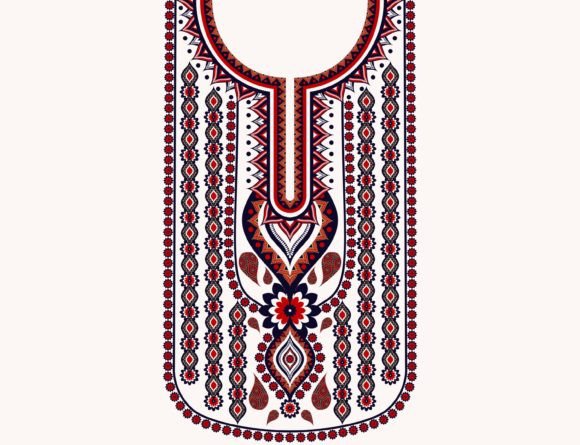
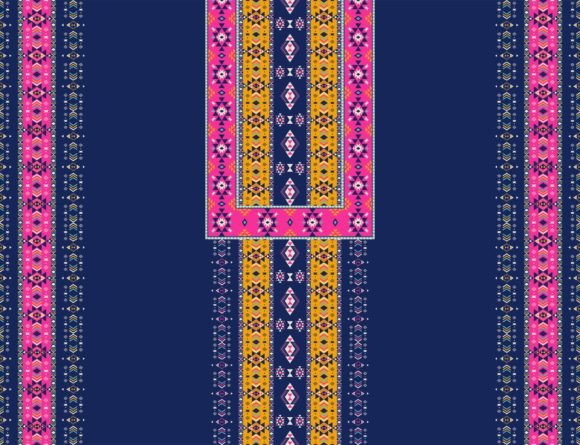
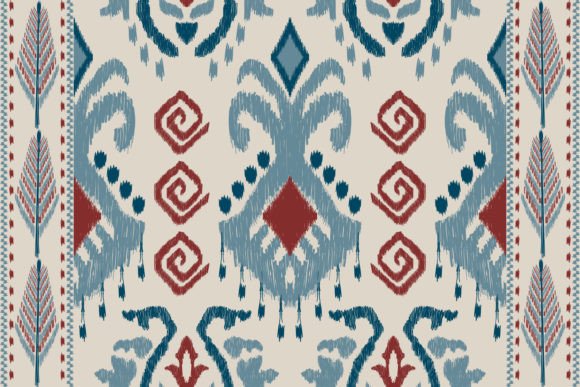
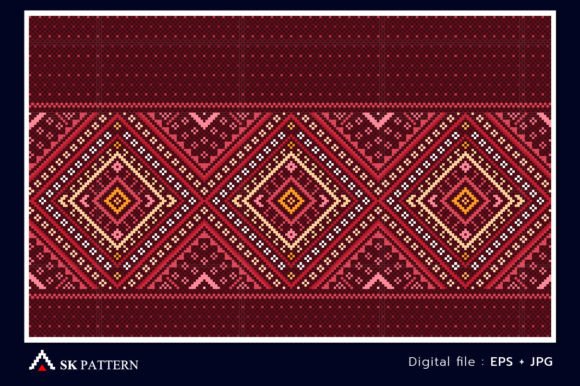
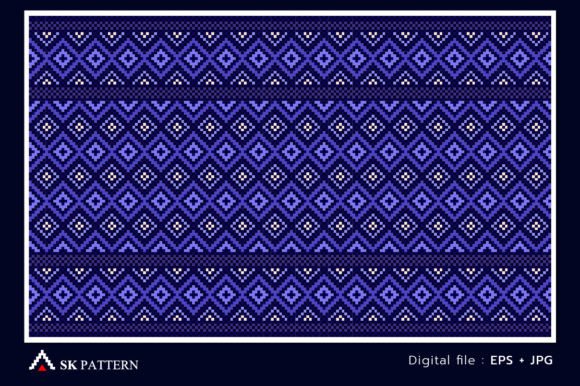
The initial visual impact of this design is strikingly balanced. It captures that quintessential Nordic charm—clean lines, geometric simplicity, and a sense of cozy minimalism that feels both modern and timeless. There is a sweetness to the motif without it being overly childish, which makes it incredibly versatile. For a crafter, this versatility is gold. The design does not scream "seasonal," meaning it can be sold year-round, unlike pumpkin motifs in October or snowflakes in December. It feels elegant and handmade, possessing an emotional appeal that resonates with buyers looking for meaningful, understated decor rather than loud, trendy statements.
When considering this as part of your Patterns and Graphics library, note that the vector nature of the source file (EPS) suggests crisp edges. This is crucial for maintaining detail when scaling. However, as embroiderers, we know that what looks sharp in a vector program must translate well into thread. The design’s structure suggests it would perform well as a machine embroidery design provided the stitch density is managed correctly during the digitizing phase if you are converting it yourself, or if the provided file is already optimized for stitching.
Real-World Applications for Personalized Gifts
I imagined a specific customer scenario to test this design’s potential. Picture a mother-to-be looking for a unique nursery item, or a couple seeking a subtle wedding keepsake. The Pixel Vector Embroidery Nordic Design fits seamlessly into these narratives. Here is how I envision it performing across various products:
- Baby Embroidery: On a soft muslin swaddle or a organic cotton onesie, the clean lines of the Nordic design offer a gender-neutral appeal. It avoids the cliché of pastel bears or stars, offering a sophisticated alternative for modern parents.
- Wedding Gift and Keepsakes: Imagine this embroidered on a linen table runner or a set of cotton napkins. The geometric precision complements the formal elegance of a wedding reception, serving as a lasting handmade product that the couple can use daily.
- Home Decor: For pillow cover inserts or blanket embroidery on throw blankets, the design acts as a focal point. Its symmetry works well centered on cushions or as a repeating pattern on larger tapestries.
- Custom Apparel and Accessories: On a canvas tote bag or a structured apron, the design adds a boutique feel. It elevates a basic item into a small shop product that commands a higher price point due to its perceived artistic value.
For Etsy sellers and digital product creators, this design offers excellent potential for printable mockup creation. Because the aesthetic is so clean, it photographs well against neutral backgrounds, enhancing buyer engagement and click-through rates.
Navigating Technical Challenges and Fabric Choices
While the design is visually appealing, practical application requires caution. Not every fabric or product is suitable for every design. During my review, I identified several areas where the Pixel Vector Embroidery Nordic Design requires careful handling:
Fabric Texture and Stability: Nordic designs often rely on straight lines and geometric shapes. On textured fabrics like thick terry cloth towels or waffle-weave blankets, these lines can get lost or appear jagged. An embroidered towel made with this design needs a high-quality cut-away stabilizer to prevent the fabric from pulling and distorting the geometric integrity. Similarly, on stretchy baby clothes, proper stabilization is non-negotiable to ensure the design does not warp after washing.
Detail Level and Scale: If you plan to use this on small items like baby socks or narrow scarf ends, you must check the scale. Small lettering or intricate details within the Nordic pattern may merge together if stitched too small. Always test on scrap fabric first. I recommend comparing light and dark fabric mockups. On dark fabric, you may need to adjust thread colors to ensure sufficient contrast, or add an underlay stitch to make the design pop.
Curved Surfaces: Applying this design to curved surfaces, such as the toe of a sock or the cap of a hat, requires precise hooping. The rigid geometry of the Nordic style can look distorted if not centered perfectly on a curve. For beginners, sticking to flat surfaces like cushion fronts or wall art hoops is safer.
Enhancing Perceived Value and Customer Trust
From a business perspective, the choice of design directly impacts giftability and perceived value. A well-executed custom embroidery piece signals care and quality. The Pixel Vector Embroidery Nordic Design contributes to this by offering a look that is associated with high-end Scandinavian interior design. When customers see this level of aesthetic coherence, their trust in the brand increases. They perceive the item not just as a commodity, but as a curated personalized gift.
Furthermore, the emotional connection fostered by handmade items is amplified when the design feels intentional. This pattern does not look like a generic clip-art addition; it feels integrated into the fabric. This perception drives buyer engagement and encourages social sharing, which is vital for organic growth in the handmade community.
Practical Notes for the Embroiderer
Before you list this as a commercial embroidery product or use it for client orders, here are my essential technical recommendations:
- Check File Formats: The product description mentions 1 EPS file and 1 JP (likely JPG). Note that EPS is a vector graphic format, not necessarily a machine embroidery file (like PES or DST). You may need to digitize the EPS into an embroidery format yourself, or confirm if a ready-to-stitch file is included. Always verify the file types before purchase.
- Test Stitch Density: If digitizing from the vector, pay close attention to stitch density. Too dense, and the fabric will pucker; too sparse, and the backing will show through. Aim for a balance that suits the fabric weight.
- Hoop Size Confirmation: Determine the optimal hoop size for your machine. Ensure the design fits within your standard hoops (4x4, 5x7, etc.) without needing excessive re-hooping, which can lead to alignment issues.
- Licensing Verification: The description lists usage for various products but does not explicitly state commercial licensing terms. Before selling finished products, contact the seller or check the license agreement to ensure you have the right to use the design for commercial embroidery sales.
- Thread Color Contrast: Nordic designs often look best with muted, earthy tones or high-contrast monochrome. Test different thread colors on your intended fabric to find the most striking combination.
In conclusion, the Pixel Vector Embroidery Nordic Design is a strong contender for any designer’s library. It bridges the gap between modern graphic design and traditional craft. With careful attention to fabric choice, stabilization, and licensing, it can become a staple in your lineup of wedding gift options, baby items, and home decor. It is a design that respects the maker’s skill while delivering a product that customers will cherish.