Ethnic Embroidery Traditional Pattern Review
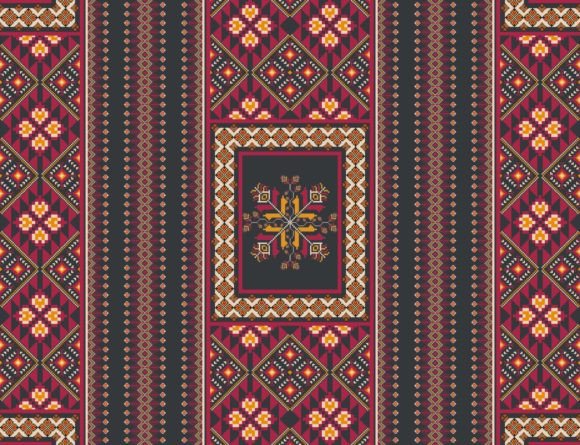
As an embroidery designer who has spent years testing digital assets for real-world application, I approach every new machine embroidery design with a mix of curiosity and caution. When I first loaded the Ethnic Embroidery Traditional Pattern into my software, I was immediately struck by its vibrant energy. This is not just another generic floral motif; it is a complex interplay of geometric shapes and vintage pixel art styles that evoke a sense of global travel and timeless craftsmanship. For those of us running small shops or selling on platforms like Etsy, finding a design that balances modern aesthetic trends with traditional charm is rare. This review explores how this specific pattern performs when translated from a digital file into a tangible, personalized gift.
First Impressions: Mood and Visual Appeal
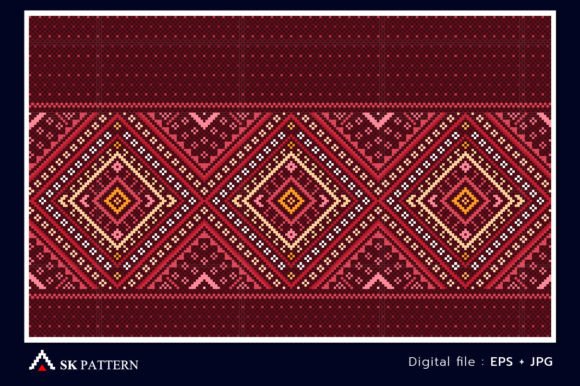
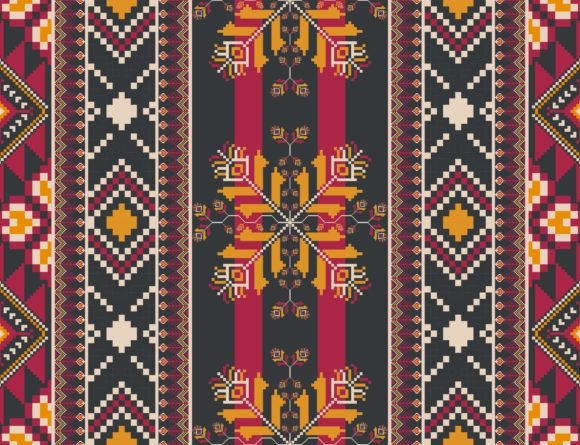
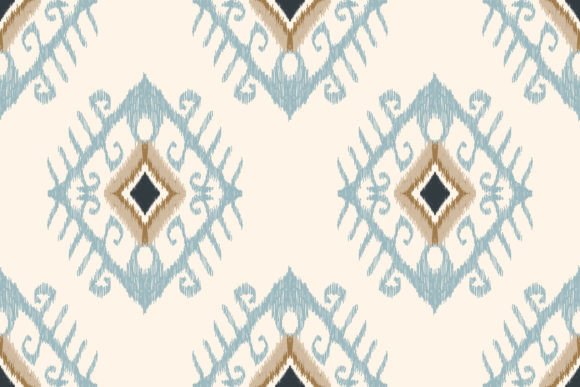
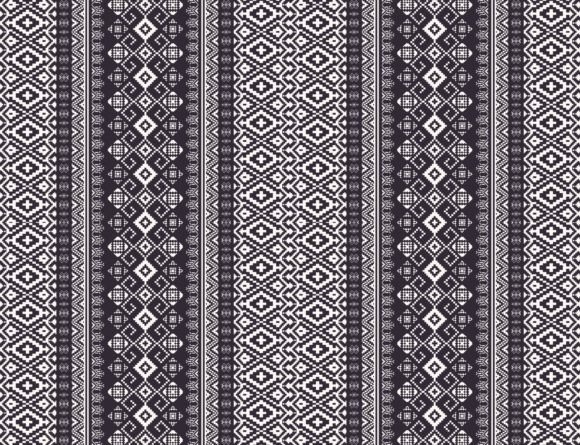
The immediate mood of the Ethnic Embroidery Traditional Pattern is playful yet sophisticated. It carries a handmade quality that feels authentic rather than manufactured. The colorful vintage pixel art style gives it a retro nod, while the ethnic geometric floral stitch pattern ensures it remains elegant enough for high-end home decor. When viewing the design on screen, the detail level is impressive. It does not look cluttered; instead, the stripes and shapes flow together seamlessly. For a crafter, this visual harmony is crucial. It suggests that the final stitched product will look professional and well-balanced, which is essential for maintaining customer trust in a handmade product.
This design feels particularly suitable for customers who appreciate bohemian or eclectic styles. It is not overly romantic or soft, which makes it versatile. It can be sweet enough for a nursery item but structured enough for a modern kitchen towel. The emotional appeal lies in its uniqueness. In a market saturated with simple monograms and basic hearts, this pattern stands out as a statement piece. It signals to the buyer that the creator has put thought into selecting a design that is both trendy and classic.
Practical Applications for Personalized Gifts
The versatility of this embroidery file is one of its strongest assets. I tested the design mentally against several common product categories to see where it would shine. Here is how I envision using it in a real shop environment:
- Baby Embroidery: The geometric nature of the pattern works beautifully on baby blankets. Unlike delicate script fonts that can get lost in the fluff of minky fabric, these bold stripes and shapes hold their definition. It creates a gender-neutral option that appeals to modern parents.
- Kitchen and Home Textiles: An embroidered towel featuring this pattern becomes an instant upgrade from a standard store-bought item. The colorful threads pop against white or cream linen, making it a perfect housewarming gift.
- Wedding Gifts and Keepsakes: While not traditionally bridal, the intricate stitch work adds a layer of luxury to tote bags or pillow covers given as bridesmaid gifts. It feels curated and special.
- Nursery Decor: Used on cushion covers or wall hangings, the pattern adds texture and visual interest to a child’s room without being overly juvenile.
For an Etsy seller, this design offers excellent potential for custom order previews. Because the pattern is seamless and geometric, it can be scaled or repeated to fit various hoop sizes, allowing you to offer multiple product variations from a single digital purchase. This efficiency is vital for managing a small shop product line.
Navigating Technical Challenges and Fabric Choices
While the design is visually stunning, practical embroidery requires us to look beyond the screen. There are specific scenarios where the Ethnic Embroidery Traditional Pattern requires careful handling. The pixel art style and geometric stripes rely on clear contrast and defined edges. Therefore, using this design on textured fabric can be risky. If the fabric has a heavy weave or a loose knit, the smaller details of the geometric shapes may sink into the material, losing their crispness.
I advise caution when stitching on thick towels or stretchy baby clothes. On terry cloth, the loops of the towel can obscure the finer lines of the stitch pattern. To mitigate this, a high-quality cutaway stabilizer is non-negotiable. It provides the necessary support to keep the stitches floating above the texture. Similarly, on stretchy fabrics, the tension must be perfectly balanced to prevent puckering, which would distort the straight lines of the ethnic stripes.
Another consideration is the choice of thread colors. The design is described as colorful, which is a benefit, but it also demands precision. If you are stitching on dark fabric, you must ensure your thread colors have enough saturation to stand out. A pastel thread on navy blue might look muddy. Always create a printable mockup or test stitch on scrap fabric before committing to the final product. This step saves time and materials, ensuring that the finished product meets the high standards expected of commercial embroidery.
Enhancing Perceived Value and Customer Engagement
From a business perspective, the right design can significantly boost the perceived value of a product. The Ethnic Embroidery Traditional Pattern contributes to this by offering a look that is difficult to replicate with mass-produced printing. The tactile nature of embroidery combined with the intricate geometric design signals quality. When a customer receives a pillow cover or apron with this level of detail, they feel a stronger emotional connection to the item. It feels like a true keepsake rather than a disposable commodity.
This emotional connection drives buyer engagement. Products with unique, eye-catching designs perform better in product photography. The contrast of the colorful threads against neutral backgrounds creates images that stop the scroll on social media. For a digital product seller, providing examples of this pattern on various items—such as a blanket embroidery sample or a tote bag—can help customers visualize the end result, increasing conversion rates.
Essential Pre-Production Checks
Before launching any new design in your shop, there are critical technical checks to perform. Since the product description mentions it is a vector ethnic geometric shape seamless pattern, it is likely scalable, but you must verify the stitch density. High stitch density can make a fabric stiff, which is undesirable for items like baby clothes or lightweight scarves. Check the design settings in your embroidery software to ensure the density is appropriate for your chosen fabric.
Confirm the hoop size requirements. While the pattern is seamless, you need to know the maximum repeat size to plan your placement correctly. Additionally, always review the license terms. Ensure that the digital embroidery file comes with commercial licensing if you intend to sell the finished products. Never assume; always read the terms provided by the designer.
Finally, test the design on both light and dark fabric mockups. This helps you determine if you need to adjust thread colors or add underlay stitches for better coverage. Pay close attention to small details after stitching. Do the geometric corners remain sharp? Do the stripes align correctly? These minor details define the difference between an amateur hobbyist and a professional small business owner.
In conclusion, the Ethnic Embroidery Traditional Pattern is a robust and charming addition to any designer’s library. It bridges the gap between traditional ethnic motifs and modern graphic trends. By paying attention to fabric texture, stabilizer choice, and thread contrast, you can transform this digital file into a best-selling personalized gift. Whether for a wedding gift, a baby shower present, or a unique home decor item, this pattern offers the elegance and distinctiveness that today’s customers crave.