Henry Embroidery Design: A Designer’s Review
As a designer who spends more time staring at stitch simulations than I care to admit, I have learned that not every digital file translates well to fabric. Some designs look fantastic on a screen but turn into a tangled mess of thread breaks and puckering once the needle hits the hoop. When I first loaded Henry Embroidery Design into my software, I was looking for more than just cute aesthetics. I wanted to know if this file could hold up in a real-world production environment. Whether you are an Etsy seller preparing for the holiday rush or a hobbyist making a personalized gift, understanding how a design behaves is crucial.
First Impressions and Visual Personality
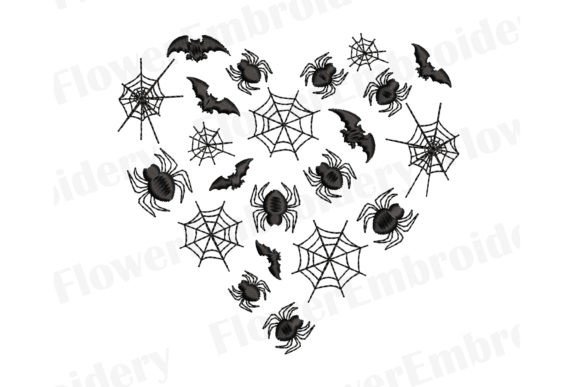
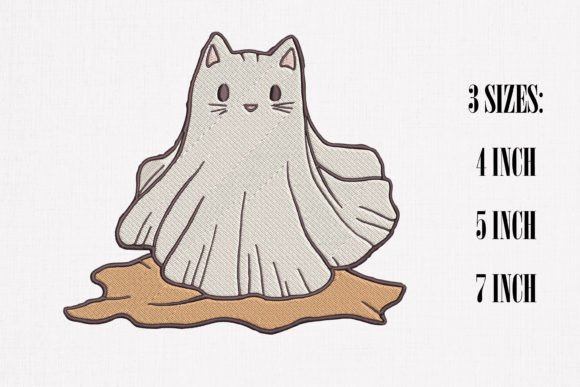
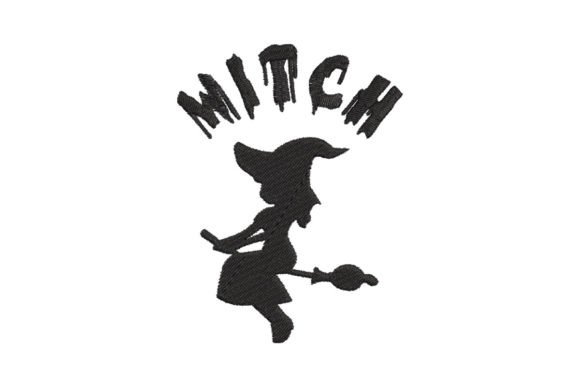
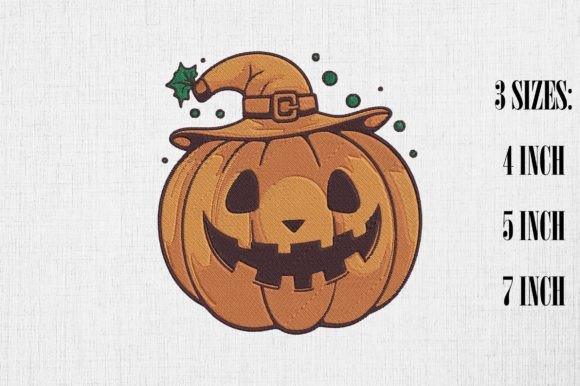
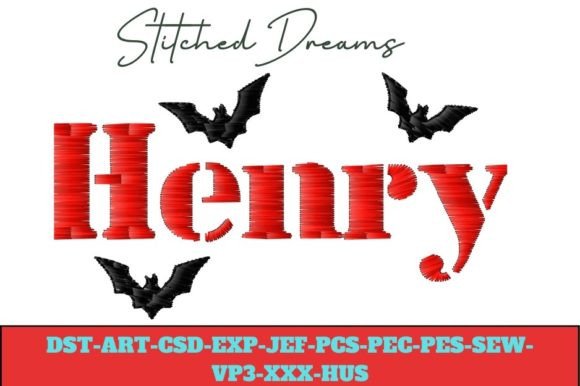
The immediate appeal of Henry Embroidery Design lies in its balance between playful charm and structural integrity. The name “Henry” is not just slapped onto a generic background; it is integrated with intricate details that evoke the Halloween spirit without relying on clichés that might date quickly. The layout feels intentional. For a designer, this means the visual weight is distributed evenly, which is essential for maintaining hoop stability during stitching.
The mood is whimsical yet refined. It avoids the chaotic energy of some holiday-themed files, opting instead for a cleaner presentation. This makes it versatile. While it is categorized under Halloween, the design’s elegance allows it to transcend the season if used subtly. However, its primary strength is undoubtedly in capturing that spooky-cute vibe that customers love for October projects. The lines are crisp, suggesting a good use of satin stitch for borders and fill stitch for larger areas, which typically results in a premium look on the finished product.
Real-World Application: The Custom Sweatshirt Test
To truly evaluate Henry Embroidery Design, I imagined it applied to a high-quality cotton blend sweatshirt. This is a common request for small shop owners and craft business operators. The design’s scale seems appropriate for the left chest or a larger central placement on a youth-sized garment. When visualizing the stitch density, I noticed that the intricate details would require a stable fabric to prevent distortion.
If you are planning to use this as a tote bag design, the outcome should be equally striking. Canvas totes provide the rigid structure needed for detailed embroidery files. The contrast between the thread colors and the natural fabric tone would highlight the playful essence of the design. For baby embroidery projects, such as a onesie or a nursery blanket, the softness of the design works well, provided you adjust the stabilizer to accommodate delicate fabrics. The key here is versatility; this machine embroidery design does not feel locked into a single product type.
Fabric and Hoop Considerations
One of the most critical aspects of any embroidery project is matching the design to the right material. Henry Embroidery Design features fine details that demand respect. If you are working with textured fabrics like terry cloth or heavy fleece, you must ensure that the smaller elements do not get lost in the pile. A cut-away stabilizer is non-negotiable here to support the stitch density and keep the letters legible.
For curved surfaces like caps or hats, caution is advised. The intricate nature of the design might struggle on a highly curved brim unless the digitizing accounts for pull compensation. I recommend testing the design on a scrap piece of similar fabric before committing to your final garment. This step saves time, thread, and frustration. Additionally, if you are using dark fabric, consider how the thread colors will pop. A test run in black and white mockups can help you determine if the contrast is sufficient for visibility.
Commercial Viability for Etsy Sellers
For the commercial embroidery sector, particularly for Etsy sellers and boutique owners, Henry Embroidery Design offers strong potential. Personalized gifts are a massive market, and names embedded within thematic designs sell well year after year. The “Henry” example serves as a placeholder, but if the file allows for customization or if you are selling the specific name as part of a collection, the perceived value is high.
Customers are drawn to items that look professional. The clean lines and balanced composition of this design contribute to a sense of quality. When you list a custom apparel item featuring this embroidery, the visual appeal can drive buyer engagement. It looks like a finished product that has been thoughtfully created, not just a quick print-and-go job. This distinction builds customer trust and encourages repeat business.
However, always verify the licensing terms. Just because a design is available for purchase does not automatically grant unlimited commercial rights. Check whether the digital embroidery file permits you to sell finished items or if it is restricted to personal use. This is a vital step for any creative entrepreneur to avoid legal issues down the line.
Technical Notes for Best Results
To get the most out of Henry Embroidery Design, pay attention to the technical setup. Here are a few practical tips based on typical behaviors of detailed holiday embroidery:
- Stabilizer Selection: Use a medium-weight cut-away stabilizer for stretchy fabrics like t-shirts and sweatshirts. For woven fabrics like aprons or pillow covers, a tear-away might suffice, but test first.
- Thread Choice: High-quality polyester or rayon threads will enhance the sheen of the satin stitch elements. Avoid cheap threads that may fray or break during high-speed stitching.
- Hoop Size: Confirm the required hoop size before starting. Ensure your machine can accommodate the dimensions without needing to re-hoop, which can cause alignment issues.
- Needle Condition: Use a fresh embroidery needle. Dull needles can cause snags, especially in dense stitch areas common in detailed designs.
- Test Stitching: Always run a test on scrap fabric. Check for thread breaks, nesting, and overall clarity of the small details.
Final Verdict
Henry Embroidery Design is a solid addition to any designer’s library, particularly for those focusing on seasonal or personalized goods. It strikes a nice balance between decorative flair and stitchability. While it requires careful handling regarding fabric choice and stabilization, the resulting embroidered patch or direct-to-garment application looks professional and appealing.
For handmade product creators, this design offers a way to elevate simple items like kitchen towels or tote bags into standout pieces. It is not just about the Halloween theme; it is about the quality of the execution. If you approach this embroidery project with the right preparation and attention to detail, the finished product will reflect the care you put into it. Whether you are decorating a cap for a client or creating a batch of holiday gifts, this design holds up well under scrutiny. Just remember to check the specific file formats and compatibility with your machine, and always prioritize a test stitch to ensure perfection.