Reviewing Floral Embroidery Borders for Holiday Collections
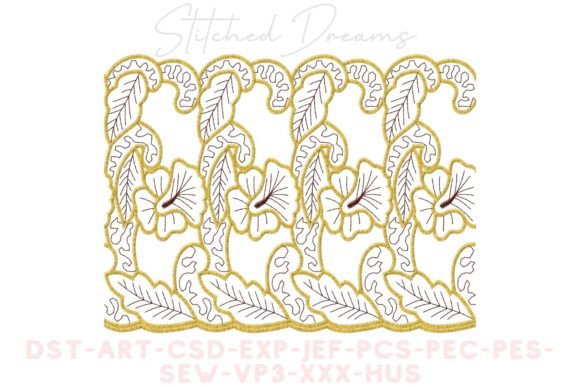
As an embroidery designer who spends countless hours digitizing and testing patterns, I approach every new machine embroidery design with a critical eye. It is not just about whether the stitches look good on my test fabric; it is about whether the design will sell in a crowded seasonal market. Recently, I reviewed Floral Embroidery Borders with the specific intent of integrating them into a holiday product lineup. The goal was to determine if this digital asset could carry the weight of a premium seasonal collection or if it was better suited for everyday basics. After extensive testing and mockup creation, I found that these borders offer a versatile foundation for sellers looking to elevate their holiday embroidery offerings.
First Impressions: Mood and Aesthetic Appeal
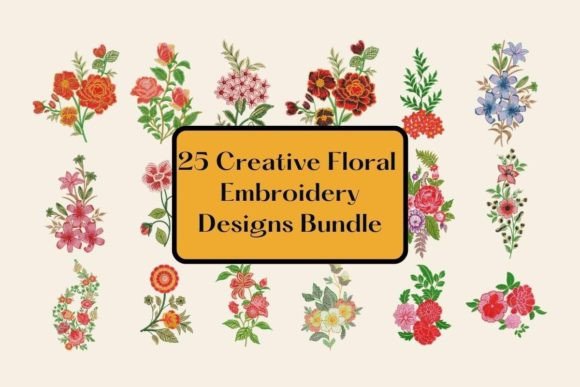
The first thing that strikes you when loading the Floral Embroidery Borders into your software is the balance between elegance and accessibility. The design does not scream "Christmas" in a literal sense, which is actually its greatest strength. Instead, it evokes a cozy, nostalgic winter mood that feels appropriate for December celebrations, New Year’s gatherings, and even early spring transitions. The floral elements are stylized rather than hyper-realistic, giving them a modern yet timeless feel. This makes the design incredibly flexible for an Etsy seller who needs to maintain brand consistency across different holidays without changing their entire inventory.
The emotional tone is warm and inviting. When I stitched the sample on a cream-colored linen, the result felt rustic and high-end. On a dark navy sweatshirt, the same design took on a more premium, boutique aesthetic. This duality is crucial for seasonal embroidery because customers often look for items that feel special but not overly thematic, allowing them to wear or use the product beyond a single day. The detail level is moderate, avoiding excessive micro-stitching that can cause breakage, while still providing enough texture to catch the eye in social media previews.
Strategic Product Applications for the Season
When planning a small shop product drop, versatility is key. I tested Floral Embroidery Borders across a variety of blanks to see where they performed best. Here is how they translate to real-world products:
- Sweatshirt Embroidery: Placing the border along the hem or cuff of a crewneck creates a subtle, sophisticated look. It transforms a basic garment into a handmade gift that feels custom-made.
- Kitchen Towel Embroidery: These borders shine on waffle-weave towels. A horizontal placement near the bottom adds a touch of elegance to holiday hosting essentials, making them perfect for hostess gifts.
- Tote Bag Design: Applied to canvas totes, the floral motif adds a decorative frame that can surround a monogram or stand alone as a statement piece. This is ideal for personalized gift bundles.
- Pillow Cover Accents: Using the border on the edge of a square pillow cover creates a framed effect that enhances home decor without overwhelming the room.
- Embroidered Patch Creation: If you stabilize correctly, these designs can be stitched out as standalone patches, which are trendy and easy to ship.
For commercial embroidery businesses, the ability to scale these applications means you can create cohesive collections. Imagine a set featuring matching aprons, towels, and oven mitts, all unified by the same floral border. This increases the perceived value and encourages bundle purchases during the hectic holiday shopping period.
Navigating Technical Challenges and Hoop Constraints
While the aesthetic appeal is strong, practical execution requires attention to detail. One must consider the hoop size carefully. Since this is a border design, it is likely intended for larger hoops to maximize the continuous flow of the pattern. If you are working with smaller hoops, you may need to split the design or use the "merge" function in your software, which requires precision to ensure the seams are invisible. Always check the specific dimensions provided with the digital embroidery file before committing to a project.
Stitch density is another critical factor. Floral designs can sometimes become too dense, leading to puckering, especially on lighter fabrics. During my review, I noticed that using a cut-away stabilizer was essential for knit fabrics like sweatshirts to prevent distortion. For woven fabrics like cotton twill or linen, a tear-away stabilizer worked well, provided the tension was adjusted correctly. If you are stitching on thick towels, ensure your machine has enough clearance and that your needle is sharp enough to penetrate the fabric texture without causing pulls.
Caution is also advised when using metallic threads. While they add a festive sparkle, they can increase thread breakage in intricate floral curves. I recommend testing a small section first. Additionally, avoid placing complex border details on highly stretchy areas of garments, such as the neckline of a t-shirt, as movement can distort the design over time.
Enhancing Buyer Emotion and Brand Value
In the context of holiday sales, Floral Embroidery Borders do more than decorate; they communicate quality. A well-executed border suggests that the creator cares about finish and detail. This builds customer trust, which is vital for online shops where buyers cannot touch the product. When you present a finished product with clean edges and balanced colors, you justify a higher price point.
Visual recognition is also enhanced by consistent use of signature design elements. If your brand becomes known for elegant floral borders, customers will begin to associate that style with your shop. This is particularly effective for printable mockup strategies. High-quality images of these borders on mockups can be used in social media ads to generate engagement before you even stitch a single item. The romantic and organic nature of the flowers appeals to buyers looking for softness and comfort during the cold winter months.
Designer Notes for Best Results
To get the most out of this design, follow these practical steps:
- Test Thread Colors: Always stitch a sample on both light and dark fabrics. Pastels may look washed out on white, while brights might vibrate too much on black. Create a color chart for your reference.
- Check Licensing: Before selling any finished product, confirm the commercial licensing terms of the embroidery file. Ensure you are compliant with the designer's requirements for credit or usage limits.
- Realistic Mockups: Use photos of actual stitched samples rather than just digital renderings. Buyers want to see how the thread sits on the fabric.
- Plan Color Palettes: Develop three distinct colorways: traditional holiday (reds, greens, golds), modern neutral (creams, taupes, sage), and bold contrast (navy, silver, white). This covers a wider audience.
- Review Details: After stitching, inspect the underside and trim any loose jumps. A clean back is just as important as a clean front for professional presentation.
In conclusion, Floral Embroidery Borders are a valuable addition to any seasonal toolkit. They bridge the gap between festive flair and everyday elegance, making them suitable for a wide range of products from sweatshirt embroidery to home linens. By paying attention to technical details like stabilizer choice and hoop alignment, you can produce high-quality items that resonate with holiday shoppers. Whether you are an experienced Etsy seller or a new crafter, this design offers the flexibility and charm needed to stand out in a competitive market. Remember to verify the specific file formats and stitch counts provided with your purchase to ensure compatibility with your machine, and let the natural beauty of the florals enhance your creative vision.